Scientists from the CEET Nanotechnology Centre, in cooperation with the Klokner Institute at the Czech Technical University in Prague (CTU), are celebrating a major success in the field of anti-corrosion protection. The result of their long-term collaboration is a new technical solution embodied in a Czech patent, which brings an innovative and environmentally friendly approach to the surface treatment of materials.
The new technologies focus on the process of so-called tricationic phosphating, which is essential for protecting car bodies and transport infrastructure components before painting. Current industrial methods often utilise environmentally problematic substances, such as carcinogenic cobalt or nickel. The Czech research team, led by Karla Čech Barabaszová and Adam Zabloudil, which has long been involved in the development of additives for metal surface treatments, found a way to eliminate these substances whilst increasing the effectiveness of the protection.
The basis of this solution is a unique method of mechanical particle processing (in this case, zinc phosphate dihydrate) using jet milling. Materials processed in this manner allow for the creation of significantly finer, more uniform, and more durable protective layers on metal.
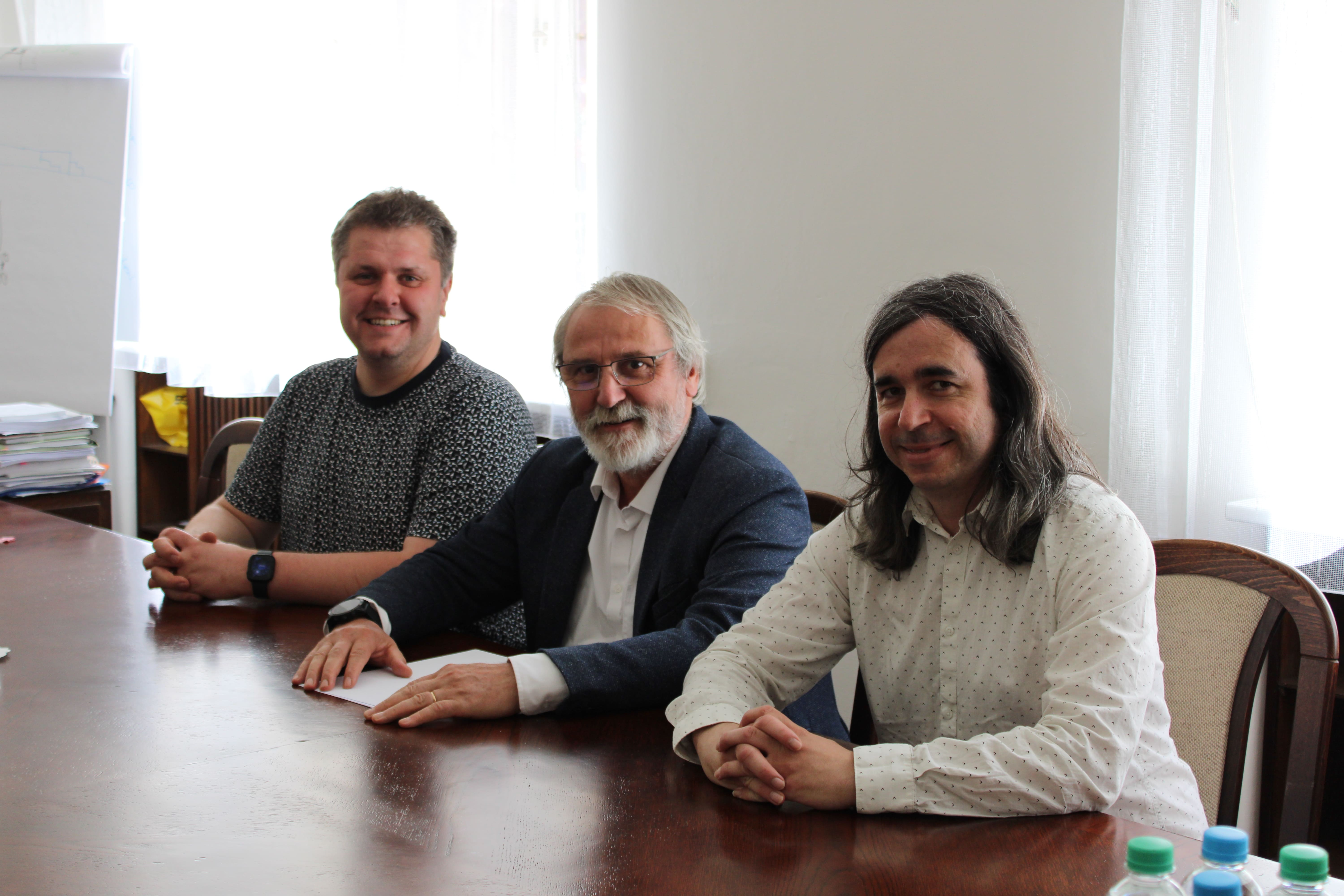 "We were looking for a way to maintain a high level of anti-corrosion protection for steel while getting rid of our dependence on problematic activating substances. The key was to understand that it is not just the chemical composition of the bath that is decisive, but also the size, stability, and behaviour of the particles upon contact with the metal surface. Thanks to this, we designed a procedure that promotes the formation of a more compact and fine-grained phosphate coating, while being gentler in terms of production, storage, and industrial deployment. Personally, what I appreciate most is that we managed to transfer a relatively detailed material principle into a solution that makes sense even outside the laboratory – in real surface treatment operations," stated Adam Zabloudil from the Klokner Institute.
The new surface treatment solution has been protected by a patent (CZ 309976 B6), which introduces a new type of activator based on micronised particles of zinc phosphate dihydrate. This solution functions as a highly effective activator that, in combination with a phosphating bath, ensures the formation of a high-quality conversion coating.
The patented technology brings not only greater efficiency to the phosphating process but also significant economic and environmental benefits. The main advantages include a reduced need for heavy metals, higher stability, and more effective anti-corrosion protection. "The new surface protection solution has enabled us to prove that effective anti-corrosion protection of materials does not have to be an environmental burden and can be financially affordable. The key to success is the jet milling technology, which allowed us to purposefully modify size-defined particles so that they form a perfectly fine, structurally ordered, and thus durable protective layer on the metal surface. This material processing technology brings a radical reduction in technological costs, making the whole process highly economical for real industrial practice. I do not view the result of our work merely as material research. It is all the more valuable because it arose from long-term cooperation between two institutions, the Nanotechnology Centre (CEET) and the Klokner Institute (CTU), with completely different research focuses, allowing us to connect basic research, application experience, and knowledge of real industrial conditions," said Karla Čech Barabaszová from the Nanotechnology Centre.
Thanks to these properties, the patent has the potential to fundamentally influence industrial practice in the field of metal material pre-treatment, particularly in the automotive and transport industries, where there are ever-increasing demands for sustainability and material longevity.
The significance of this innovative solution is further confirmed by the fact that it is currently in the final stages of the approval process for the granting of a European patent.