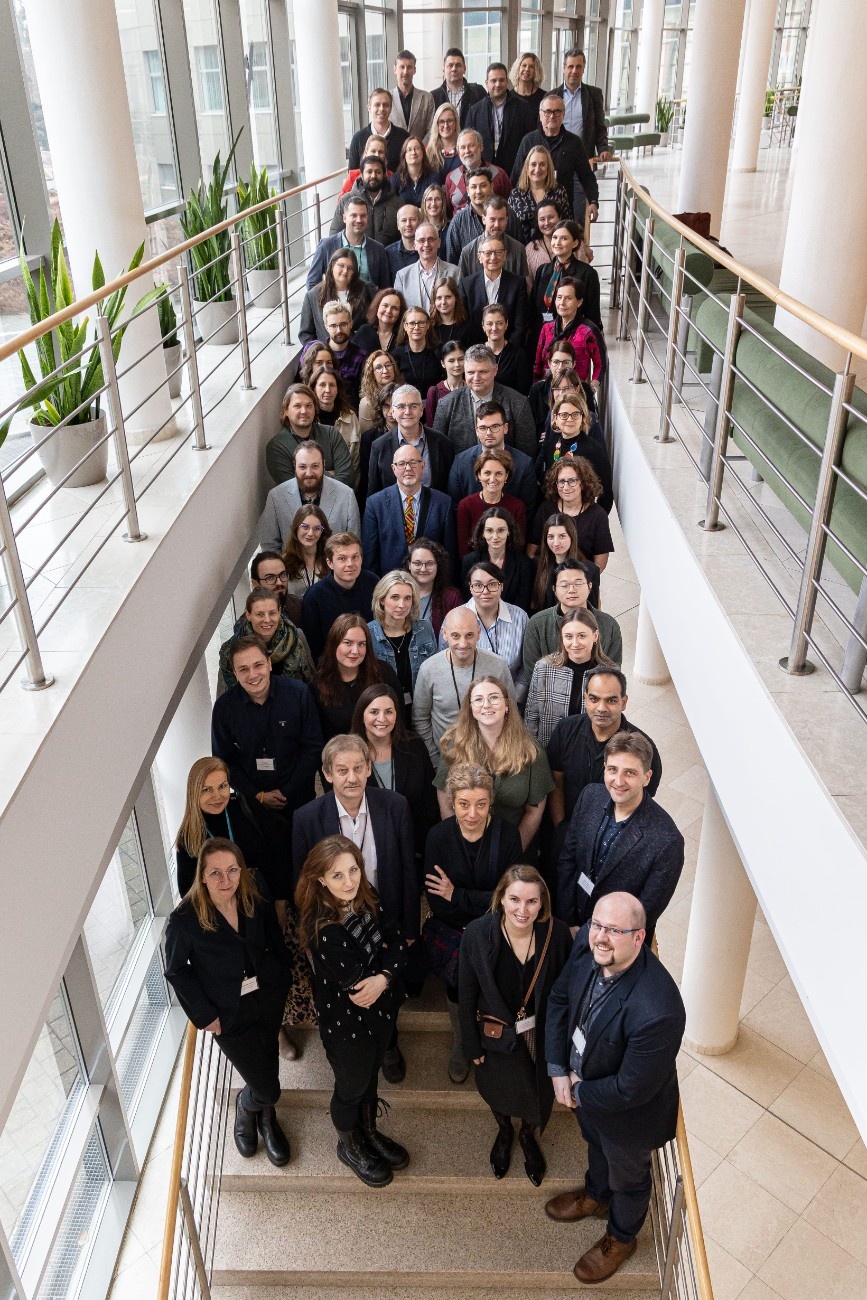
The Institute of Environmental Technology (IET), the Centre for Energy and Environmental Technologies (CEET), hosted this important international seminar at the premises of VSB – Technical University of Ostrava. The seminar focused on the latest findings in the fields of catalytic processes, materials research, and sustainable technologies.
The seminar was officially opened by Lucie Obalová, Director of the IET. The program featured an intense full-day marathon of expert lectures divided into four thematic sections. Presenters included young scientists from universities and research institutions in the Czech Republic, Poland, and Slovakia.
"CzePoCat offers an opportunity to meet colleagues working on similar topics, from catalysis and photocatalysis to related materials and their properties. Over the years, many projects have emerged from this conference, which have subsequently been successfully developed. For young scientists, especially PhD students, it is a unique opportunity to present their results and experience not only giving a lecture but also engaging in discussions and responding to questions," said Lucie Obalová.
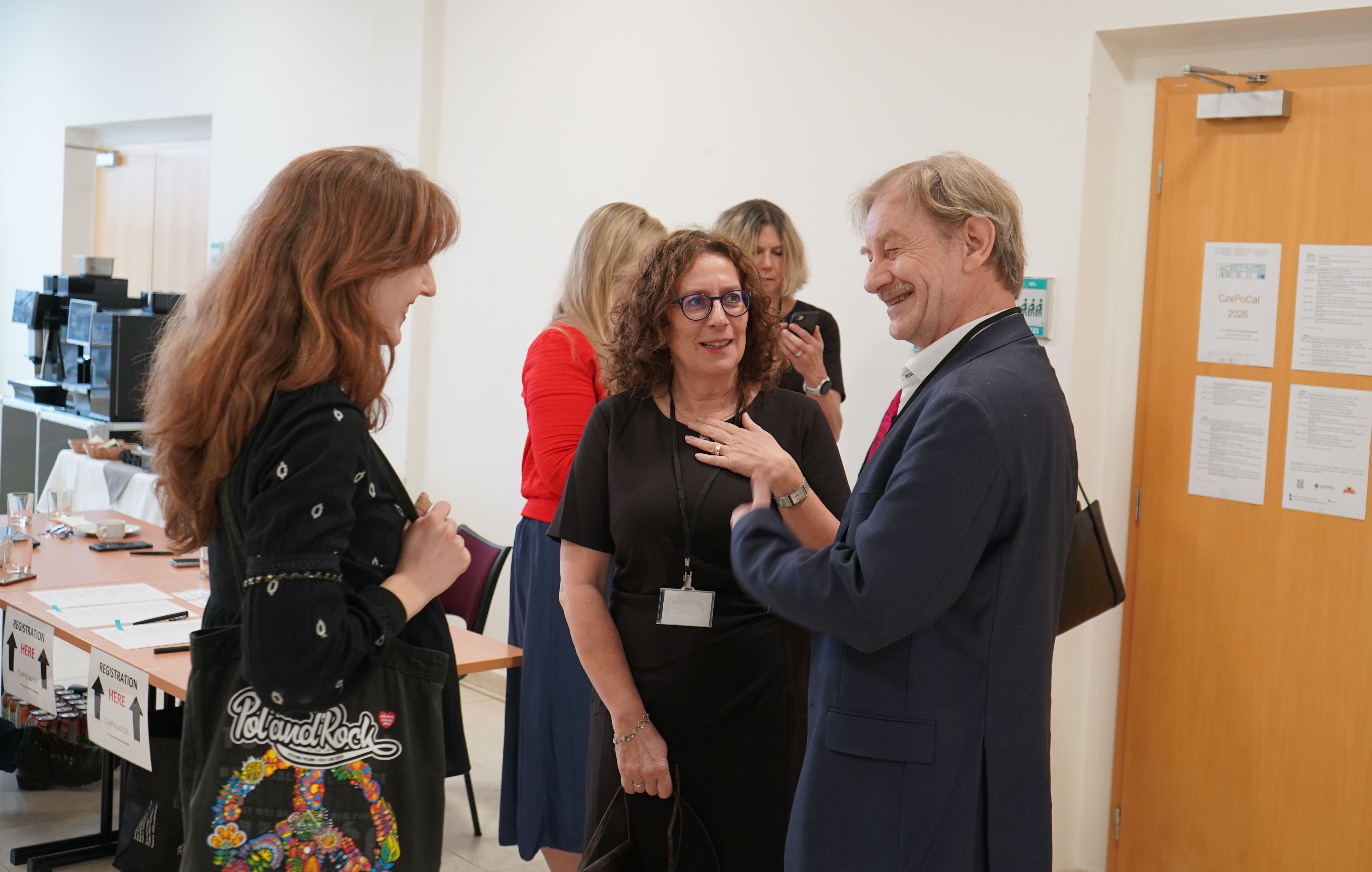
The seminar is primarily intended for doctoral students, but anyone with something to say on the topic of catalysis is welcome to participate. "It is wonderful to see the growth of students who attend regularly. While their presentations may be uncertain in the first year, by the fourth year they perform as seasoned experts. It is great preparation for their scientific careers. They learn not only to present but also to quickly respond to questions in English. Another important aspect is networking, which is essential in our field. The methods we use are becoming more complex and sophisticated, and without collaboration, not only within the Czech Republic but especially with foreign colleagues, we cannot succeed. Networking, exchanging experiences, and building students' self-confidence are the main purposes of this event," added Petr Praus.
Among the speakers were representatives from prestigious institutions such as the Jagiellonian University in Kraków, AGH University of Science and Technology in Kraków, Marie Curie-Sklodowska University (UMCS) in Lublin, West Pomeranian University of Technology in Szczecin, Warsaw University of Technology, Łódź University of Technology, Polish Academy of Sciences, Slovak University of Technology, University of Pardubice, University of Chemistry and Technology (UCT) Prague, J. Heyrovský Institute of Physical Chemistry, Czech Academy of Sciences, and VSB-TUO.
"If I count correctly, this is the seventh time I've attended this symposium. I have witnessed its continuous development, and I must say it grows year after year. The event allows us to connect scientific work with very important societal aspects, which greatly benefits future professional collaboration. It is a fantastic initiative by our colleagues from Ostrava and a big success. It’s also a very pleasant meeting, especially for young scientists, because everything happens without stress, in a very friendly atmosphere, and with perfect organization. I usually mention Lucie and Kamila, but many of their kind colleagues are also behind this. The human and social aspects are extremely important because they give the whole symposium meaning," said Janusz Ryczkowski from Marie Curie-Sklodowska University in Lublin.
The scientific program was divided into several sections. The first part focused on advanced photonically active materials, CO₂ reduction approaches, and hydrogen production using light. Another block addressed the synthesis of nanoporous carbon materials and spectroscopy methods in catalysis. The afternoon sessions covered the design of nanomaterials for environmental cleanup and catalytic processes for energy and chemical industries.
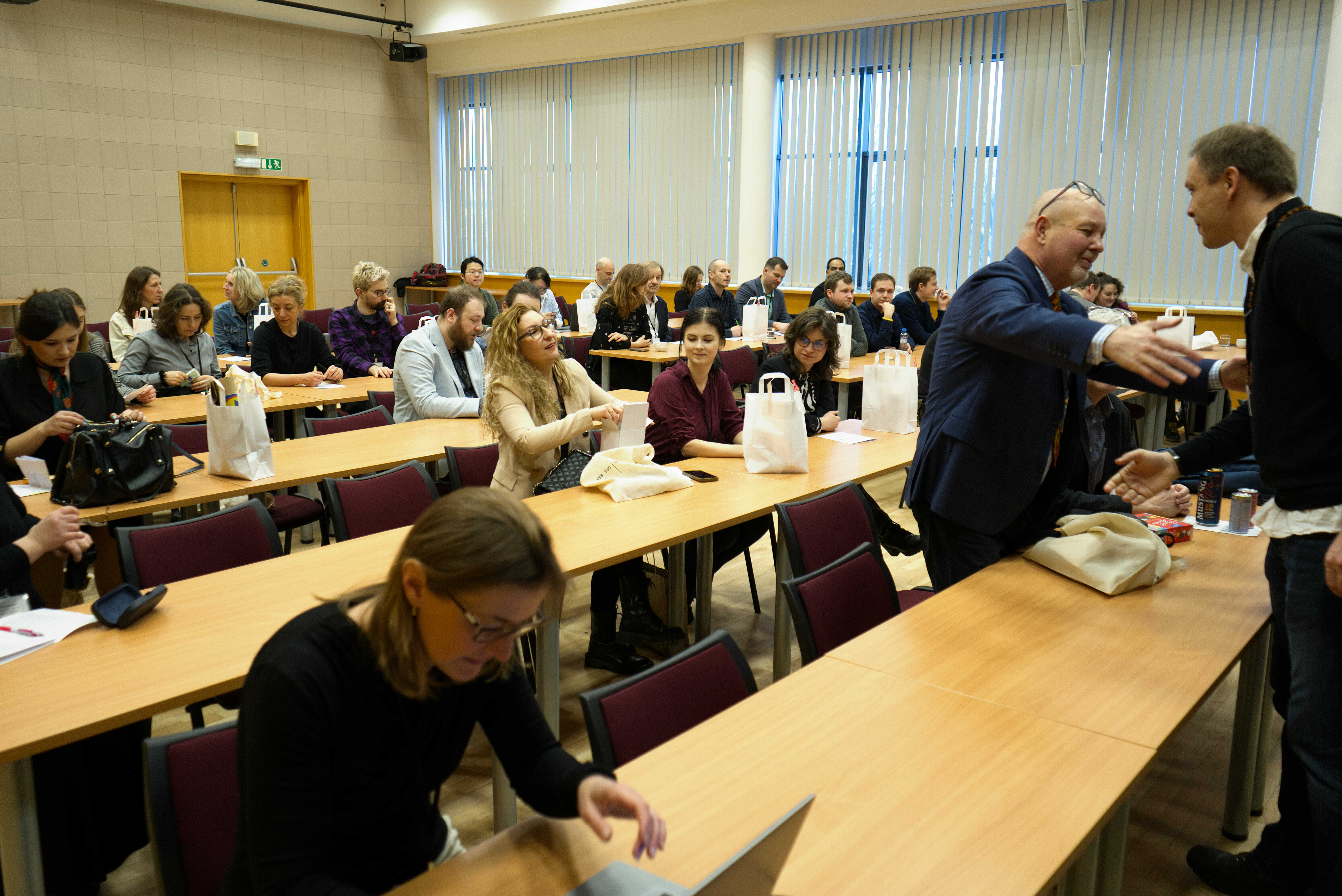
"The 14th edition of the Czech-Polish Catalytic Symposium CzePoCat 2026 confirmed the long-standing interest of scientists in this established platform and recorded the highest attendance in the event's history. The symposium, organized by the Institute of Environmental Technology (CEET) at VSB-TUO, welcomed 72 participants from the Czech Republic, Poland, and Slovakia, offering 28 expert presentations by PhD students. I greatly appreciate the international scope of the event and the high level of the presented contributions," summarized Kamila Kočí, the main organizer of the seminar.
The scientific program concluded with an evening discussion, which provided participants with an opportunity to establish further potential collaborations. A significant added value of the seminar is undoubtedly also the opportunity for the annual meeting of LRI ENREGAT users.
The seminar's realization was made possible by financial contributions from the Czech Chemical Society (ČSCH), Ostravar Brewery, and the Large Research Infrastructure ENREGAT – Energy Waste Recovery and Gas Treatment. A big thank you to all the partners for their support.