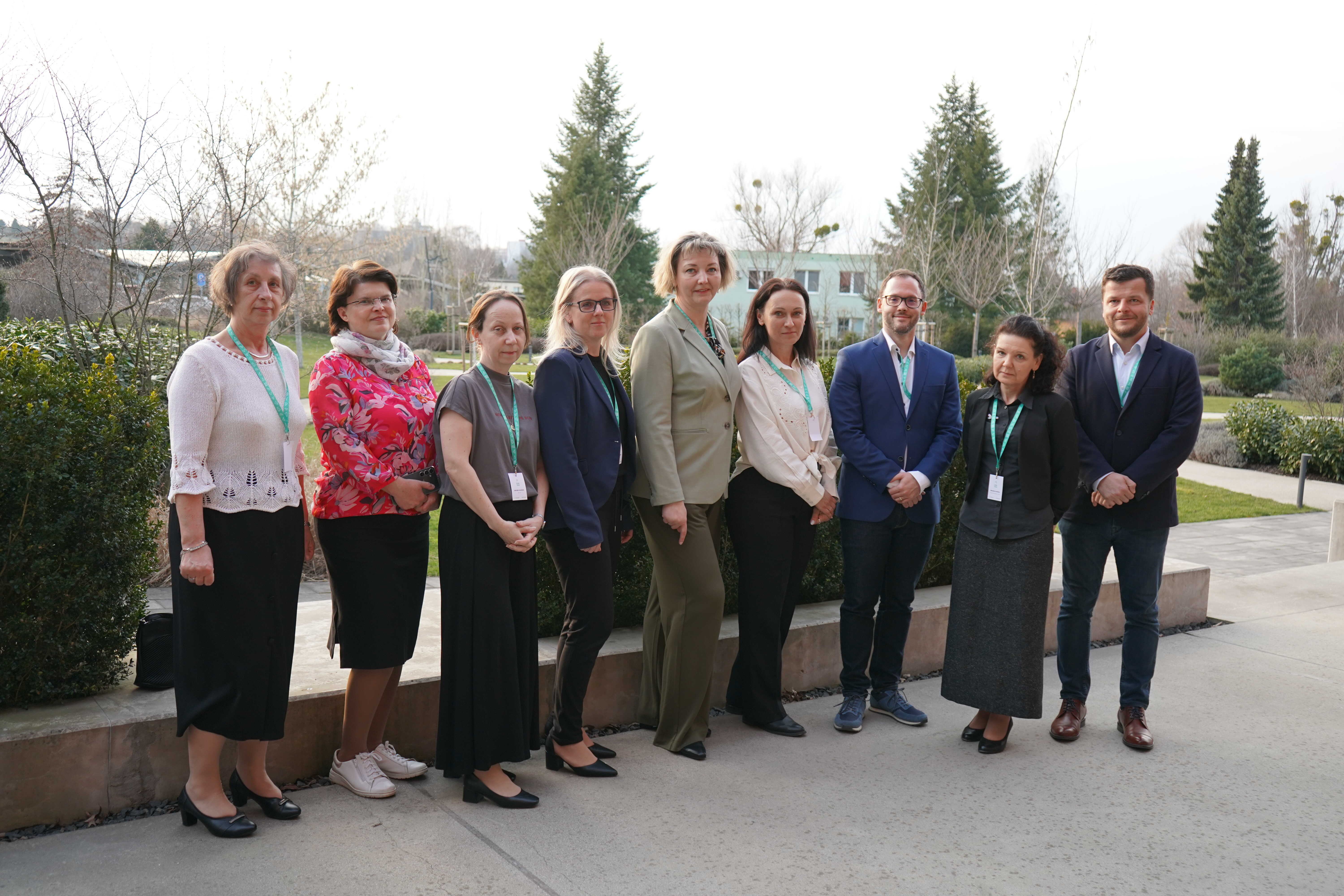
Strategic partnerships, innovations in waste management, and the future of the circular economy were the central themes of the CirkArena Annual Conference, subtitled “What We Achieved This Year, What Is New, and What Lies Ahead.” The two-day expert meeting took place at the Vitality Hotel in Vendryně and was attended by researchers from the Centre for Energy and Environmental Technologies (CEET) and VSB – Technical University of Ostrava (VSB–TUO), together with representatives of universities, research organisations, and industrial companies from the Czech Republic and abroad.
The conference formed part of the activities of the CirkArena project, which focuses on the development of the circular economy in the Moravian-Silesian Region. CirkArena is being established as a research and development centre connecting scientific teams, industrial partners, and the public sector. Its aim is to identify new ways of utilising industrial, construction, and bio-waste and to promote the efficient use of secondary raw materials. In addition to experts from VSB–TUO, the Nanotechnology Centre (CNT), CEET is also actively involved in the project’s research programme.
“Within the CirkArena project, the CNT, CEET team focuses on the circular economy of biological and industrial waste streams, which we use for the preparation of innovative nanostructured materials. Compared to other activities within the project, our approach is distinctive in its targeted focus on secondary raw materials and their functional applications. By recycling local resources and cooperating with colleagues from neighbouring regions across the border, we not only reduce costs but also actively contribute to environmental protection in our region,” said Karla Čech Barabaszová, head of the research team CNT, CEET.
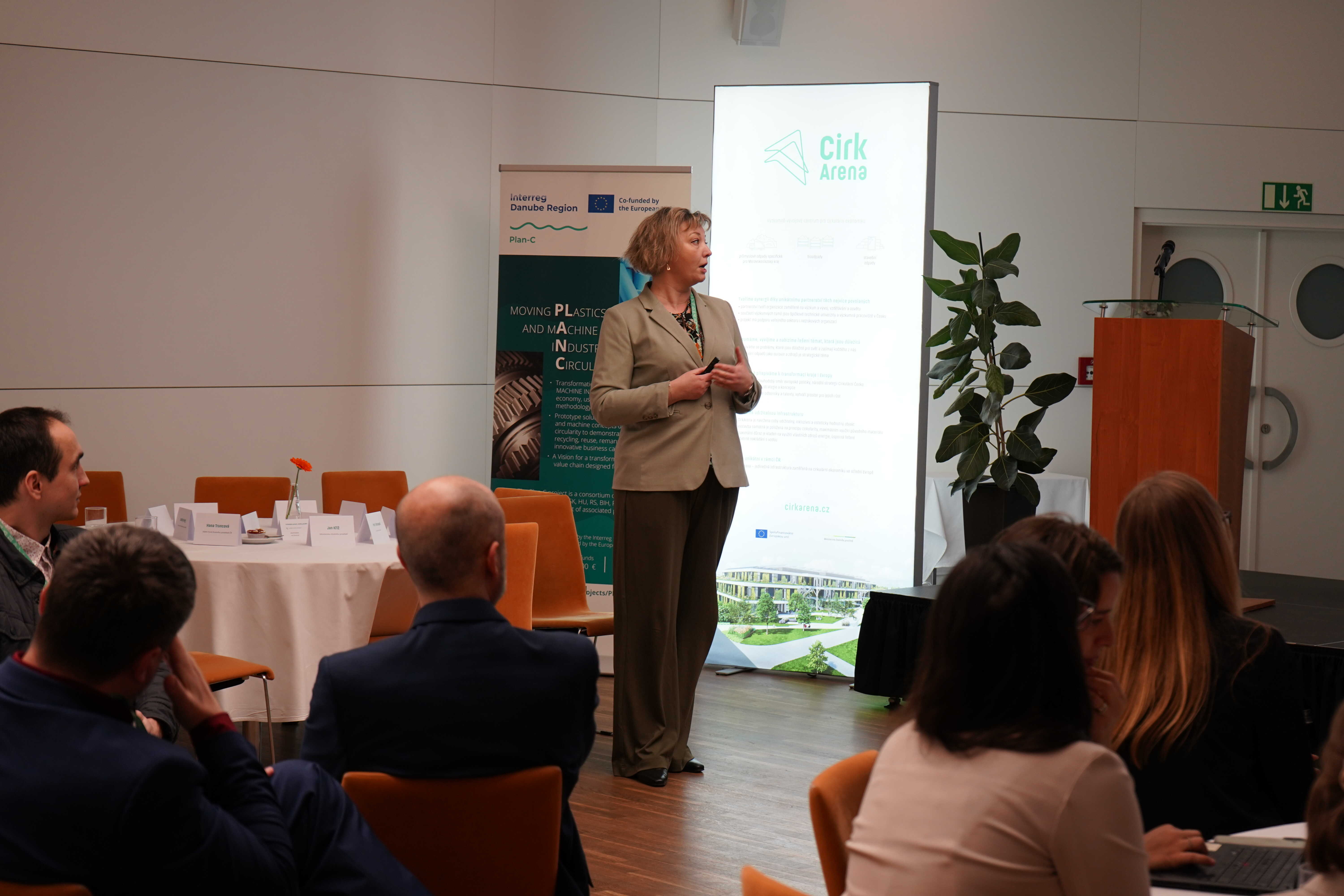
One of the main highlights of the programme was the signing of a strategic cooperation agreement between Fraunhofer-Gesellschaft and the company Material and Metallurgical Research Ltd. This partnership aims to strengthen international knowledge exchange and accelerate the development of technologies supporting industrial transformation.
The importance of collaboration among research institutions was also highlighted by Gražyna Simha Martynková, Director of CNT, CEET.
“For a successful circular economy, synergistic cooperation across different areas of expertise is essential. Our partnership with Tomáš Baťa University in Zlín is therefore very important. Their expertise in biomaterials derived from natural sources and polymers ideally complements our own focus. Together with the team of Professor Vladimír Sedlařík, we are already successfully collaborating within the National Centre of Competence (NCK), where we focus on the development of advanced polymer composites. The completion of the CirkArena facilities by the end of 2027 will represent another important milestone for us, expanding opportunities for collaboration with industrial partners in the Třinec region and enabling faster transfer of research results into practical applications.”
Representatives of VSB–TUO also played an important role in the conference programme, contributing to expert sessions focused on industrial and construction waste. Their presentations addressed new technological approaches enabling more efficient use of secondary raw materials and the reduction of environmental impacts associated with industrial production.
In a session dedicated to bio-waste, Karla Čech Barabaszová from CNT, CEET presented research activities focused on the valorisation of organic materials and their potential for further industrial applications.
However, the conference was not limited to scientific findings; it also addressed their practical implementation and the role of education. Speakers included representatives of the Ministry of the Environment, the European Commission, and the City of Třinec. A dedicated session on education and outreach emphasised the importance of communicating knowledge to the wider public and future generations.
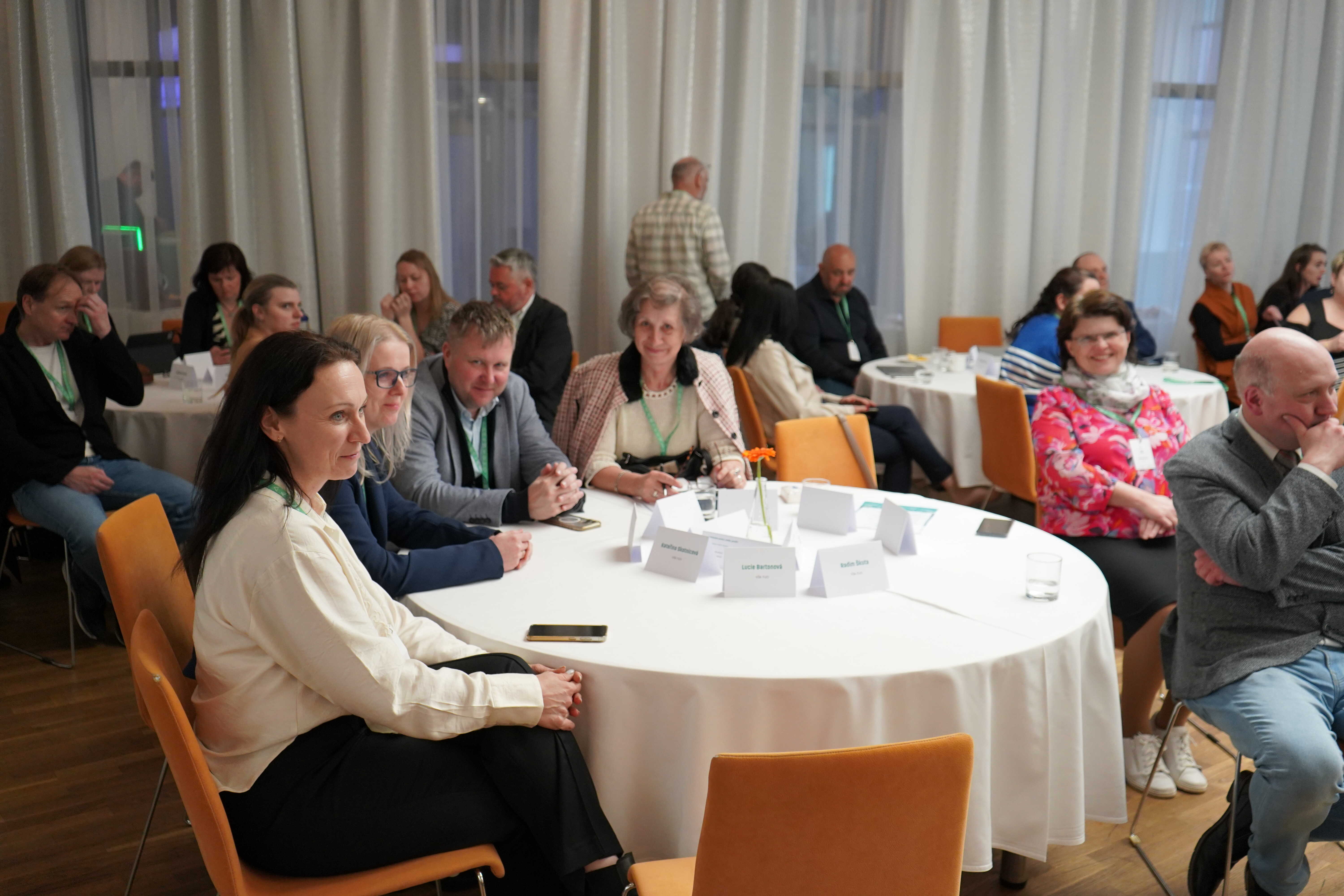
The second day of the event was devoted to an internal working meeting of the project teams, enabling participating institutions to deepen their collaboration and discuss the next steps in their joint research activities.
“I am truly pleased with the cooperation with the Nanotechnology Centre. Not only does it fulfil the objectives set within the project, but it also opens up broad opportunities for further joint activities. It is inspiring to see how a modern project built on the use of local resources is emerging in a region traditionally associated with heavy industry. Positive feedback from the Ministry of the Environment confirms that CirkArena may bring benefits not only to our region but to the whole Czech Republic,” said Jozef Vlček, Scientific Director of the CirkArena project.
The active involvement of CEET in the CirkArena project reflects the centre’s long-term commitment to supporting the transformation of industry towards more sustainable and circular models of resource management.