At first glance, it is just clear water or an ordinary cup of tea. However, they may contain something invisible to the naked eye – microplastics. It is precisely this hidden component of everyday life that Matěj Kovář, a student from the Alois Jirásek Grammar School in Litomyšl, has focused on. He is conducting his research at the laboratories of the Institute of Environmental Technology (IET), which is part of the Centre for Energy and Environmental Technologies (CEET). His project clearly demonstrates that even secondary school research can target pressing issues with significant social impact.
In his work, Matěj focuses on three areas linked by a common theme – the presence of microplastics in the aquatic environment. In the first part, he analyses bottled water. He examines not only the quantity of plastic particles that may be released into it, but also their origin – whether they come from the material of the bottle itself or from the cap, which is subject to mechanical stress during normal use.
The second experiment focuses on tea bags, which can contain plastic components. Upon contact with hot water, microscopic particles may be released directly into the beverage – a topic that has attracted that has increasing attention of both scientists and the public in recent years.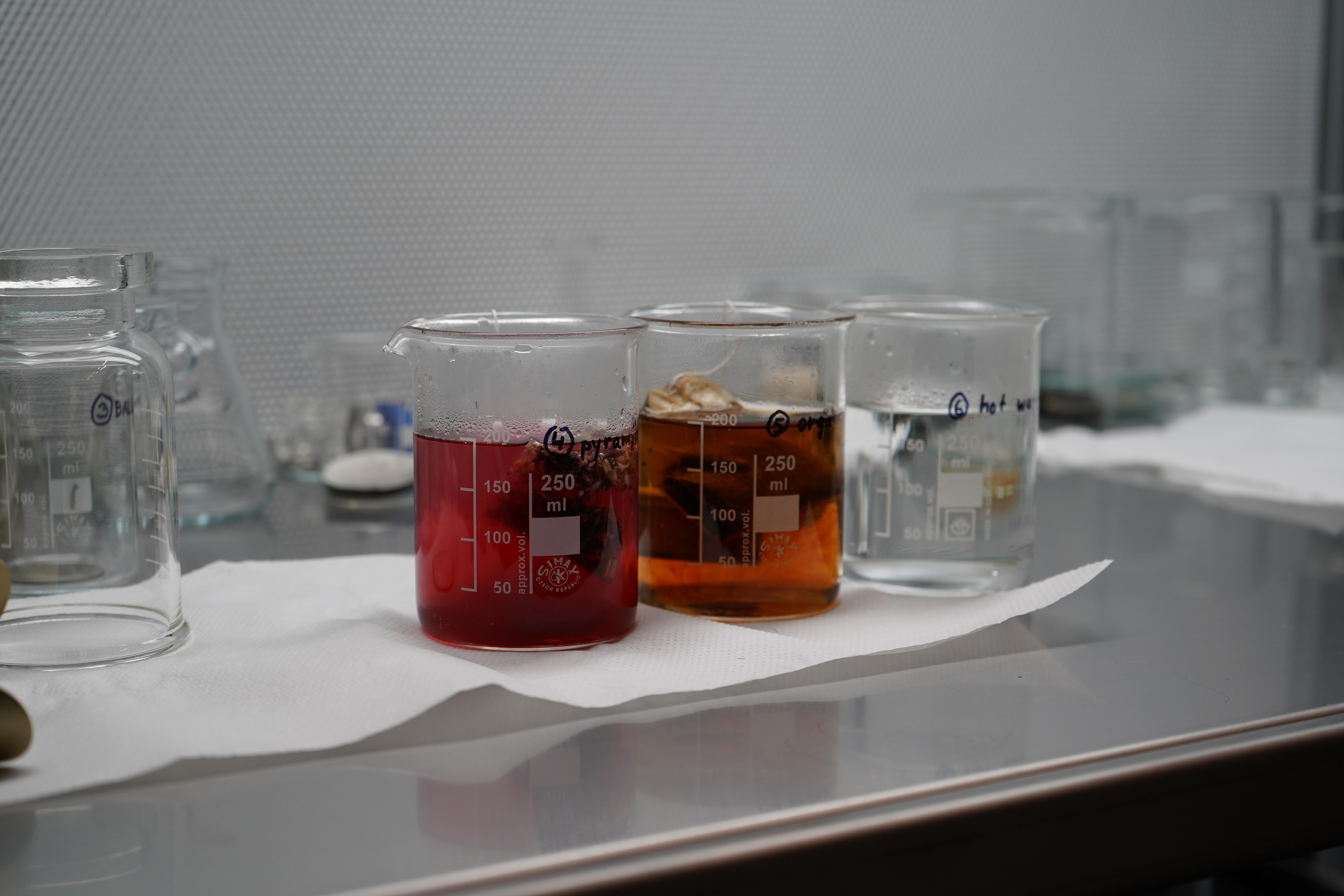 The third part of the research goes beyond domestic consumption and focuses on the environment. The student compares wastewater samples before and after passing through a treatment plant to determine how effectively current facilities trap microplastics. This question is fundamental to understanding how many of these particles are returned to nature.
The analysis of the samples itself is carried out using advanced laboratory methods. Liquids are first filtered through fine stainless-steel filters that capture even very small particles. For samples with a higher organic matter content, Fenton’s oxidation is used to decompose these components, allowing for more accurate identification of microplastics. In the case of more complex mixtures, such as those from wastewater, plastics are separated using density separation in a zinc chloride solution. Infrared microspectroscopy (FTIR) also plays a significant role, specifically the Lumos 2 instrument, which allows for both the counting of individual particles and the determination of their chemical composition.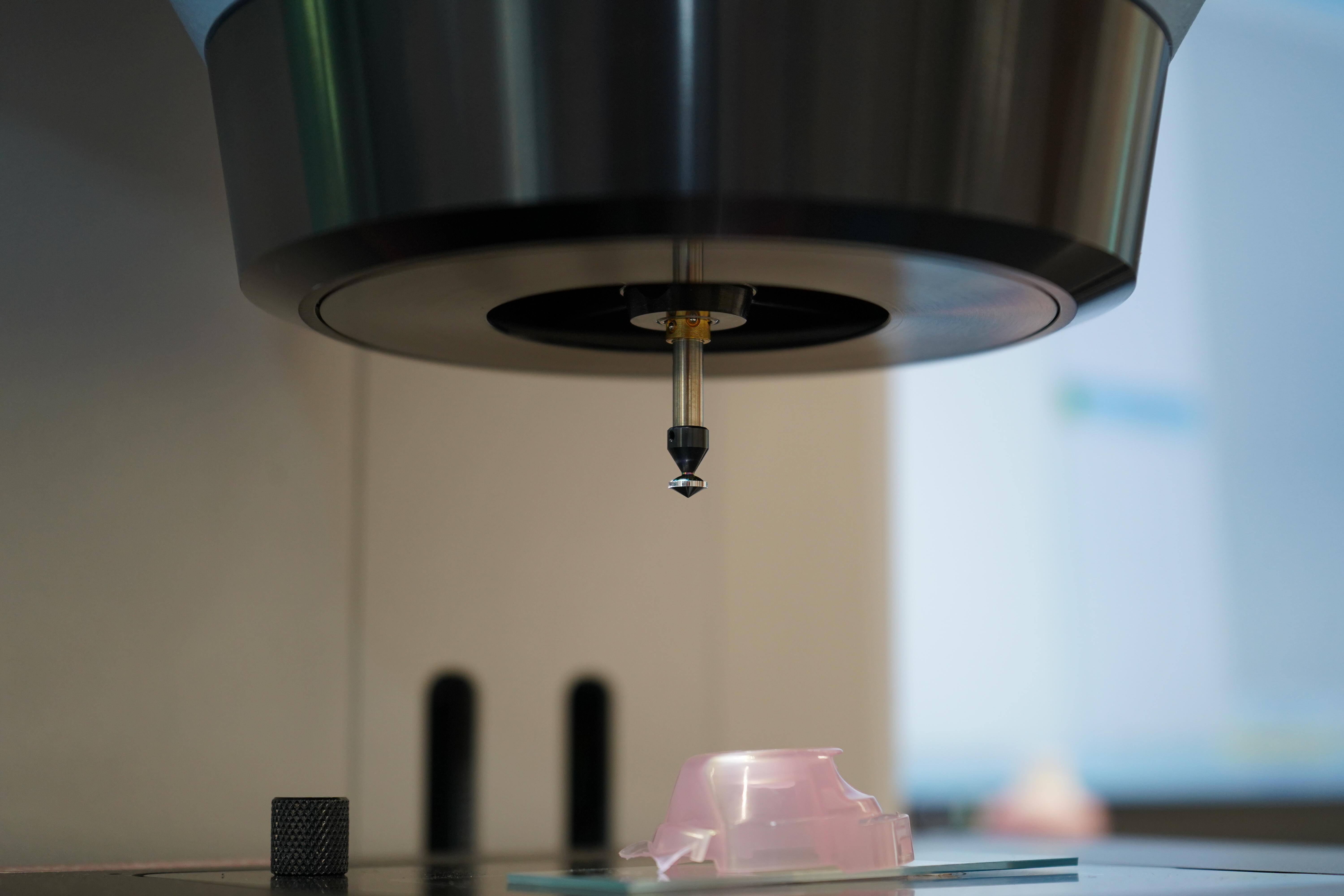
During the laboratory measurements, Matěj was assisted by our colleague Kateřina Smutná, who appreciates not only the professional quality of the work but also the approach of the young student. "Matěj surprised us very pleasantly. Collaboration with secondary school students is not that common, yet he managed to work independently and effectively. Thanks to this, we quickly fulfilled all the planned objectives."cles are returned to nature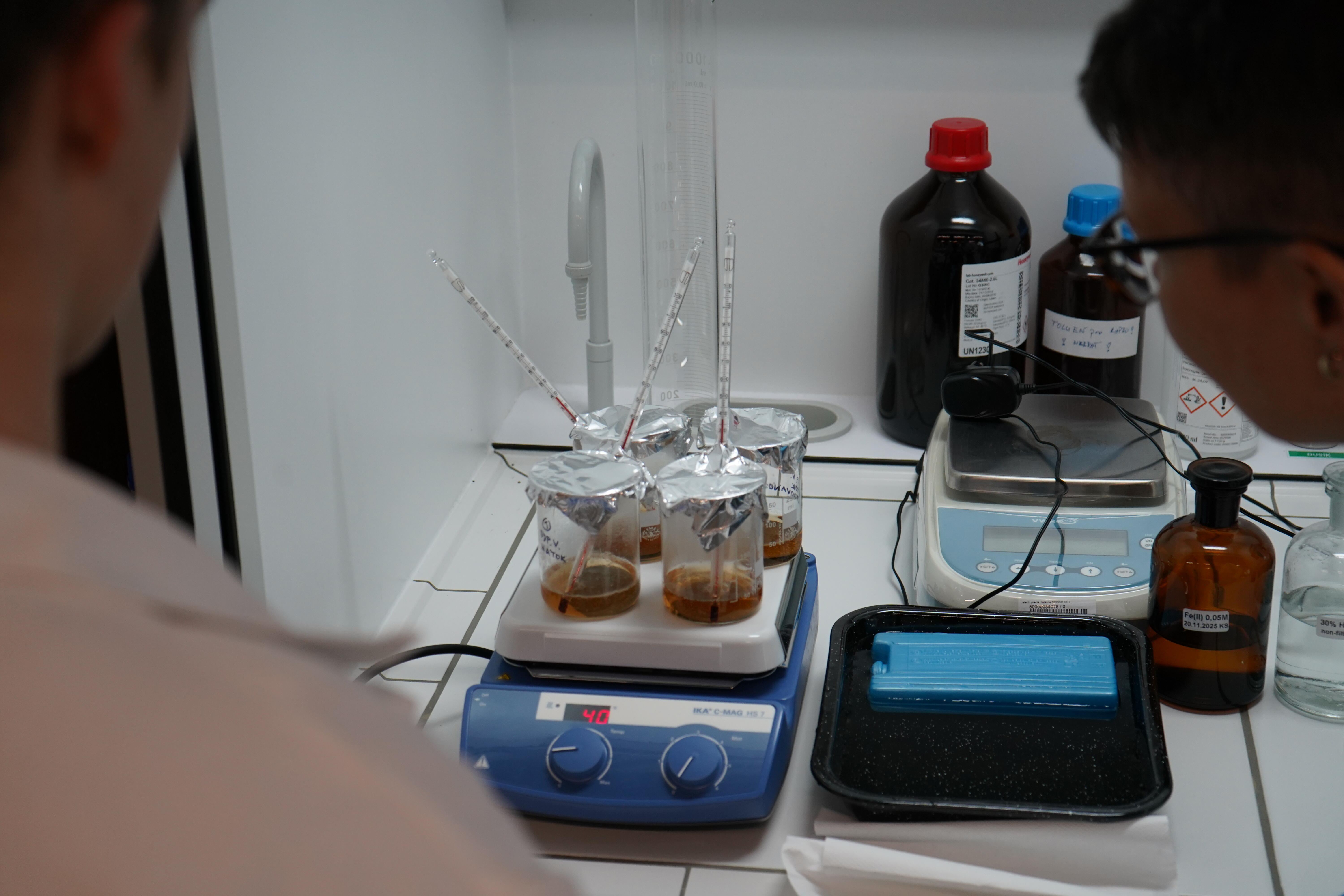 Today, microplastics represent a significant environmental problem, and their occurrence in drinking water and food remains the subject of intensive research. Involving students in real experiments provides not only a valuable educational experience but also new insights that help us better understand the challenges of the modern world.
The research is conducted using the instrumentation of the ENREGAT Large research infrastructure ENREGAT – Energy Waste Recovery and Gas Treatment.
As part of citizen science within the project INOVO!!! (CZ.02.01.01/00/23_021/0008588), researchers are currently considering a joint paper in which Matěj could be among the team of co-authors.