Maintenance and diagnostics of high-voltage equipment are among the most technically demanding and hazardous activities in the power industry. They require a high level of expertise, precision, and the ability to work safely in environments where even minor errors or unexpected situations can have serious consequences. This is precisely where advanced robotics and autonomous systems have the potential to make a significant contribution.
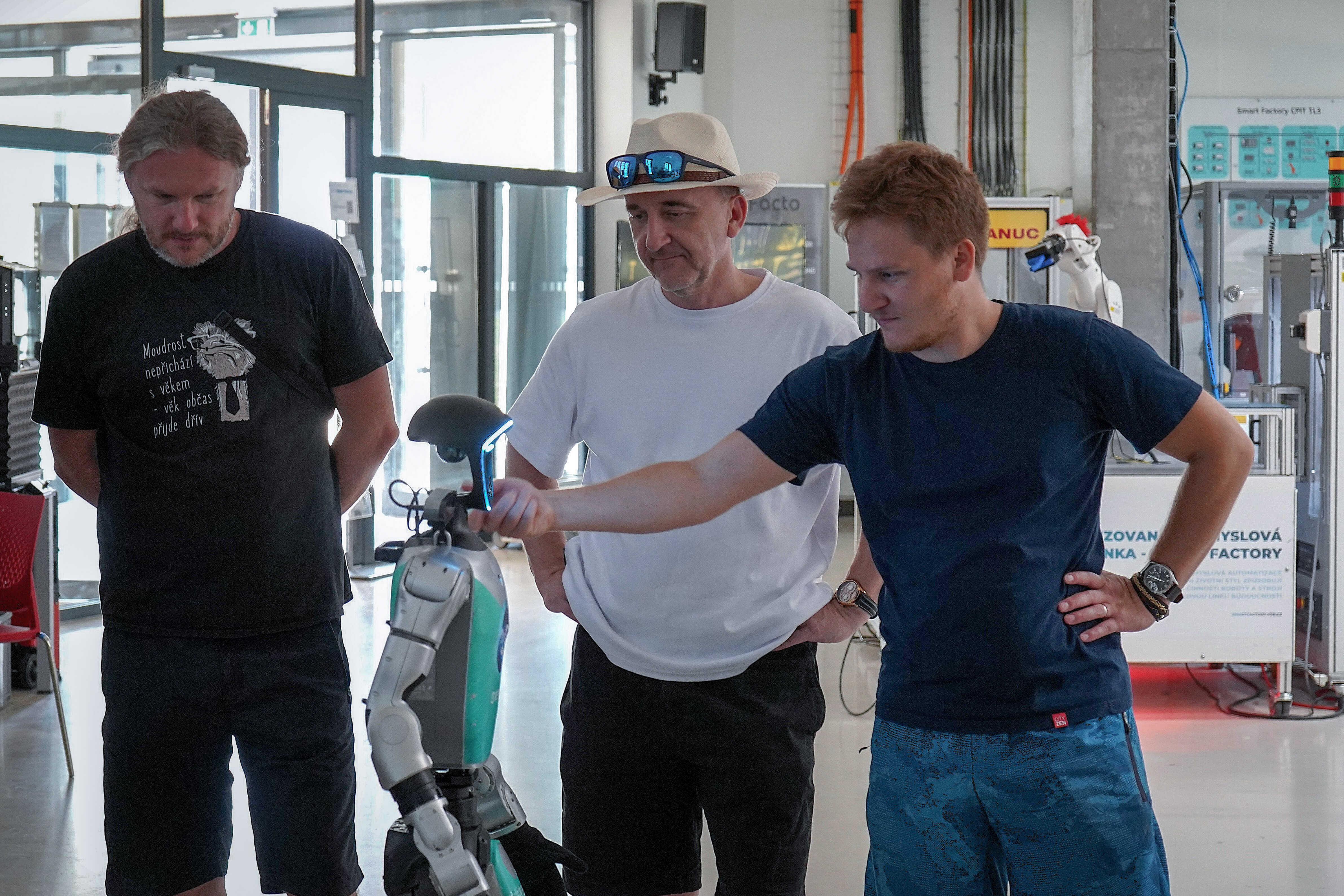
The project team aims to design, develop, and experimentally validate a system that enables a humanoid robot to safely and reliably perform selected tasks related to the operation and diagnostics of high-voltage distribution networks. The research goes well beyond testing the robot's ability to move autonomously within high-voltage substations. It also includes evaluating the robot's capability to perform basic operational procedures and manipulate various substation components. Another key aspect of the project is assessing how electromagnetic interference, an inherent characteristic of electrical power facilities, affects the robot's operational reliability.
Electromagnetic compatibility (EMC) is one of the critical technical challenges in modern power engineering. A robot operating near high-voltage equipment must not only be mechanically accurate and equipped with advanced control software but also be sufficiently resistant to the harsh electromagnetic environment. Researchers will therefore investigate technical measures to improve the robustness of the robotic system and ensure its reliable operation under real-world conditions.
"The project addresses several key challenges currently facing the power sector, including improving occupational safety during maintenance of distribution networks, increasing the efficiency of service operations, supporting digitalization and automation, and addressing the long-term shortage of skilled technical personnel," said Zdeněk Slanina, the project's principal investigator.
The kick-off meeting marked the official start of cooperation among the project partners and provided an opportunity to align technical approaches, research objectives, and project milestones. The programme included presentations introducing the ENET Centre, FOXCOM, and the project itself. Participants also toured the laboratories at the CEETe building, where they became familiar with the available research facilities and technological infrastructure.
An important part of the meeting was a visit to the HARD laboratory, where participants were introduced to the high-voltage training substation. This was followed by a technical discussion focusing on the project's implementation, major engineering challenges, and planned milestones. The programme continued with a visit to the CPIT TL3 laboratory, where the Industry 4.0 concept and related research activities were presented. The meeting concluded with a joint discussion outlining the next stages of the project.
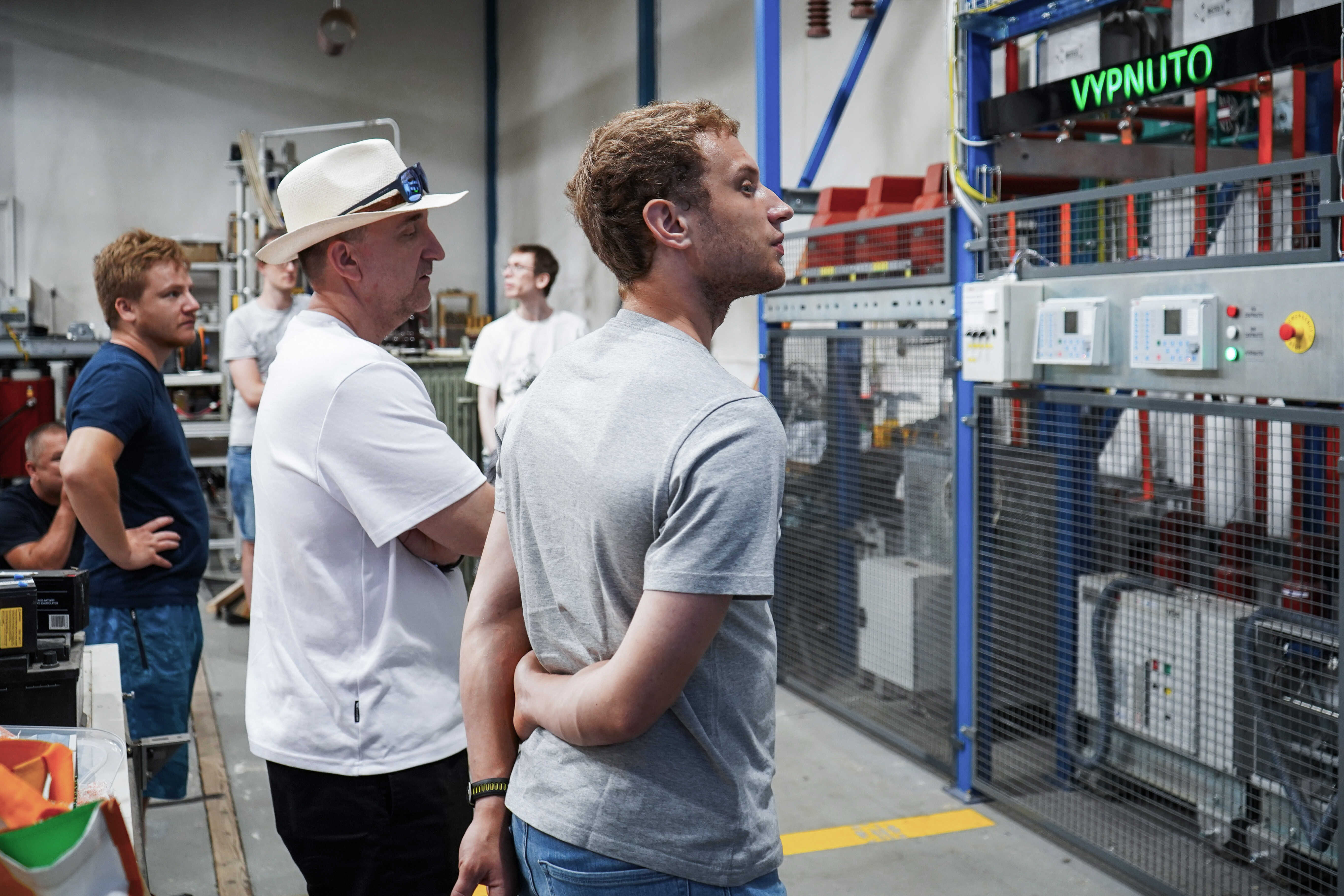
The project responds to several pressing challenges facing today's power industry, including the need to improve occupational safety during maintenance of electricity distribution networks, increase the efficiency of service operations, accelerate digitalization and automation, and address the persistent shortage of qualified technical professionals.
Outcomes are expected to contribute to the modernization of the Czech energy sector and support the wider deployment of advanced digital technologies in industrial practice. The project is fully aligned with the objectives of the Czech State Energy Policy, European strategies for energy modernization, and the RE:START supporting the economic transformation of the Moravian-Silesian Region.
The kick-off meeting confirmed the partners' shared commitment to developing technologies that can improve worker safety, enhance the reliability of electricity distribution networks, and advance the practical application of robotics in the power industry.