The meeting in Ostrava provided a space for expert discussion on the progress of the project to date, the sharing of experimental knowledge, and the coordination of further steps in the solution. Part of the programme was a presentation of the interim research results across all work packages (WP) of the project, which cover individual parts of the technological chain from the thermochemical conversion of input raw materials, through the treatment of gaseous intermediates, to process integration and the evaluation of the overall benefit of the proposed solution. The partners focused in particular on the quality of the product gas from biomass gasification, its subsequent cleaning and treatment, the reforming of light hydrocarbons, and the possibilities of integrating these steps into subsequent technologies for the production of renewable fuels.
The GeniusFuels project is based on the premise that the actual production of synthesis gas by gasification as an intermediate product is not enough. For its further utilisation in subsequent chemical processes, its quality is also crucial, but the integration of gasification with other processes, which can significantly affect the operational reliability and the techno-economic feasibility of the whole process, is equally important. Therefore, the research is directed not only towards the production of synthesis gas but also towards the production of green hydrogen by high-temperature electrolysis with the subsequent synthesis of methanol and DME.
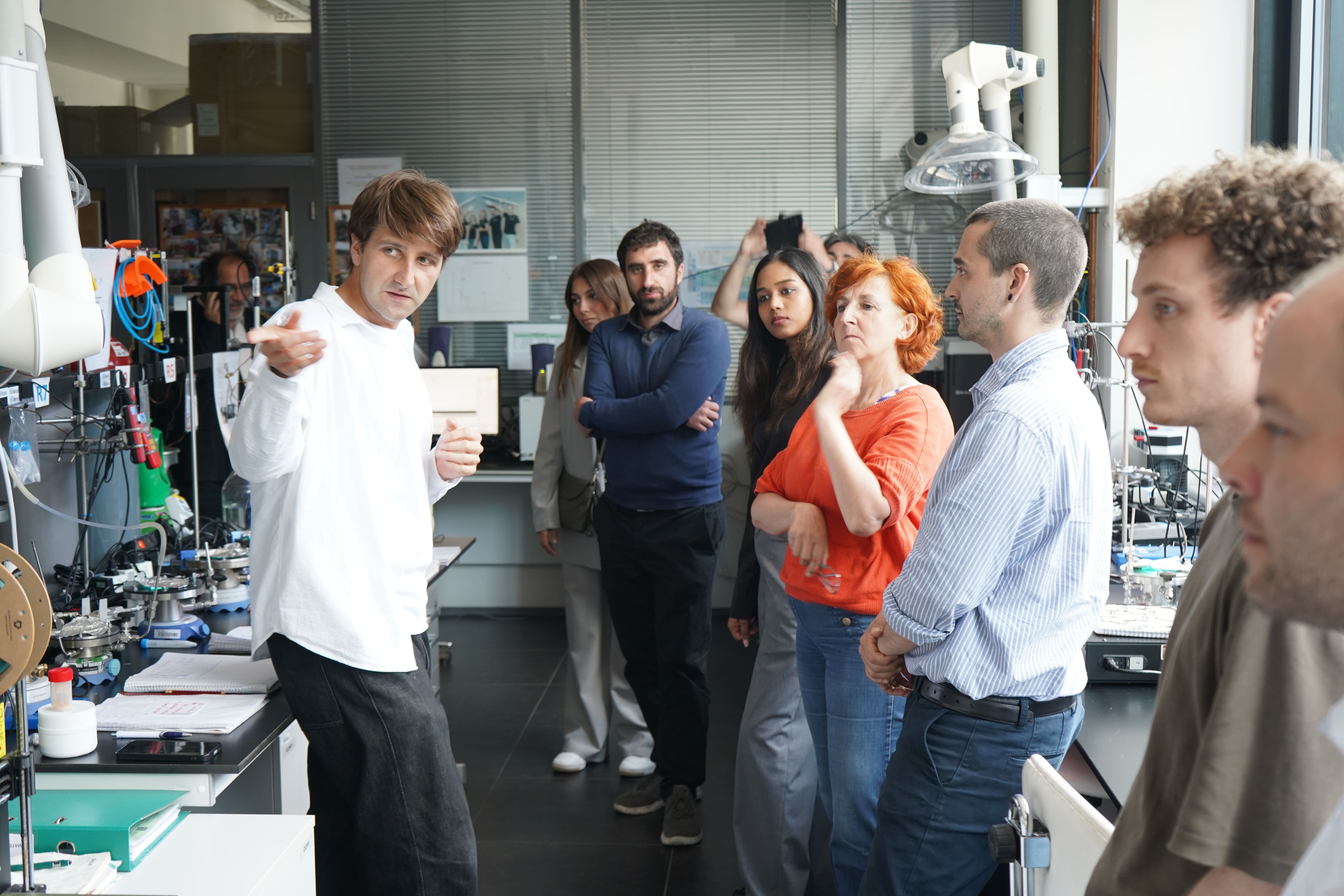
The programme also included a tour of the laboratories of the Institute of Environmental Technology, during which the foreign partners were familiarised with the ongoing research and the technical facilities of the workplace. The discussion directly in the laboratory environment made it possible to better present the experimental activities, analytical capabilities, and the broader research focus of the IET CEET team at VSB-TUO. At the same time, it created a space for seeking further opportunities for cooperation, not only within the framework of the existing project but also in the form of new joint research activities, the preparation of follow-up international projects, and exchange stays for students and researchers.
On the second day, after the conclusion of the professional programme, a visit to the Lower Vítkovice area (Dolní oblast Vítkovice) followed. For the foreign partners, this excursion provided a strong context for the entire meeting. It is precisely Ostrava that is a place where the historical link to the fossil fuel industry is still clearly present, and at the same time, a significant transformation towards new energy and environmental technologies is taking place here. The connection of advanced research with the environment of a region that is already undergoing a real transformation added another dimension to the professional discussions.
The research team of VSB-TUO is participating in the project primarily in the analysis and characterisation of biochars, in the modelling of the biomass gasification process, and in the testing of catalysed reactions related to the reforming and cleaning of synthesis gas. The face-to-face meeting of the international consortium in Ostrava thus contributed not only to the professional coordination of individual work activities but also to the deepening of cooperation between research organisations and industrial partners.
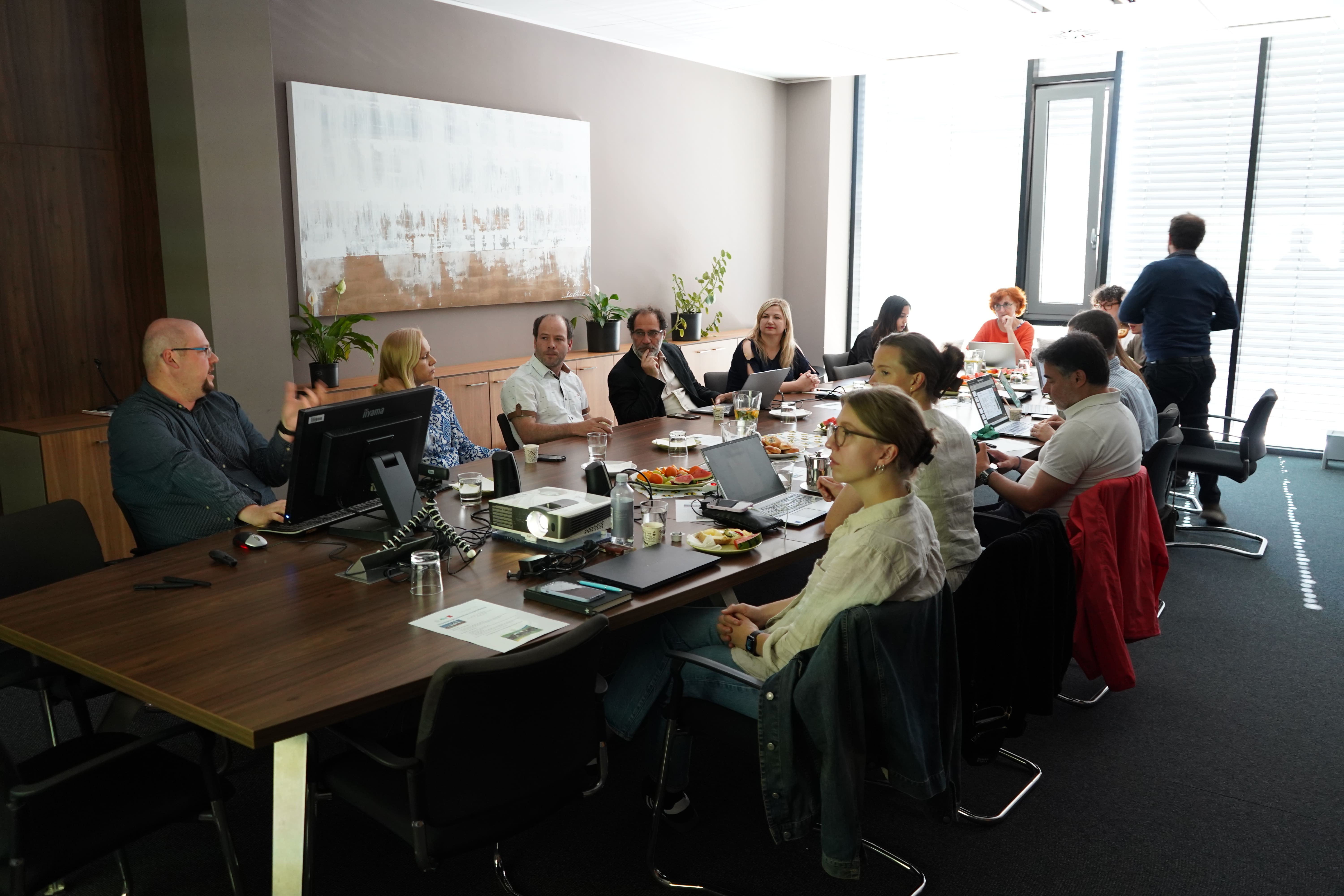
The GeniusFuels project brings together eight partners from four European countries and connects academic research with industrial practice. The consortium includes Alma Mater Studiorum – University of Bologna, CNRS-ICPEES at the University of Strasbourg, CNR-ISSMC, VSB – Technical University of Ostrava, Hulteberg Chemistry & Engineering AB, Iridenergy Srl, SolydEra SpA, and ENI SpA. It is the breadth of the partners' professional background that makes it possible to address the entire technological chain.
The GeniusFuels project responds to the current need to find technologically realistic paths for the production of low-emission and renewable fuels. It is precisely the connection of the thermochemical conversion of biomass with subsequent fuel production processes that represents one of the possibilities for expanding the future use of renewable and waste resources in the energy and chemical industries.
"This project No. TQ06000004 was co-funded with state support from the Technology Agency of the Czech Republic under the SIGMA Programme as part of the Clean Energy Transition Partnership (CET) European Partnership call."