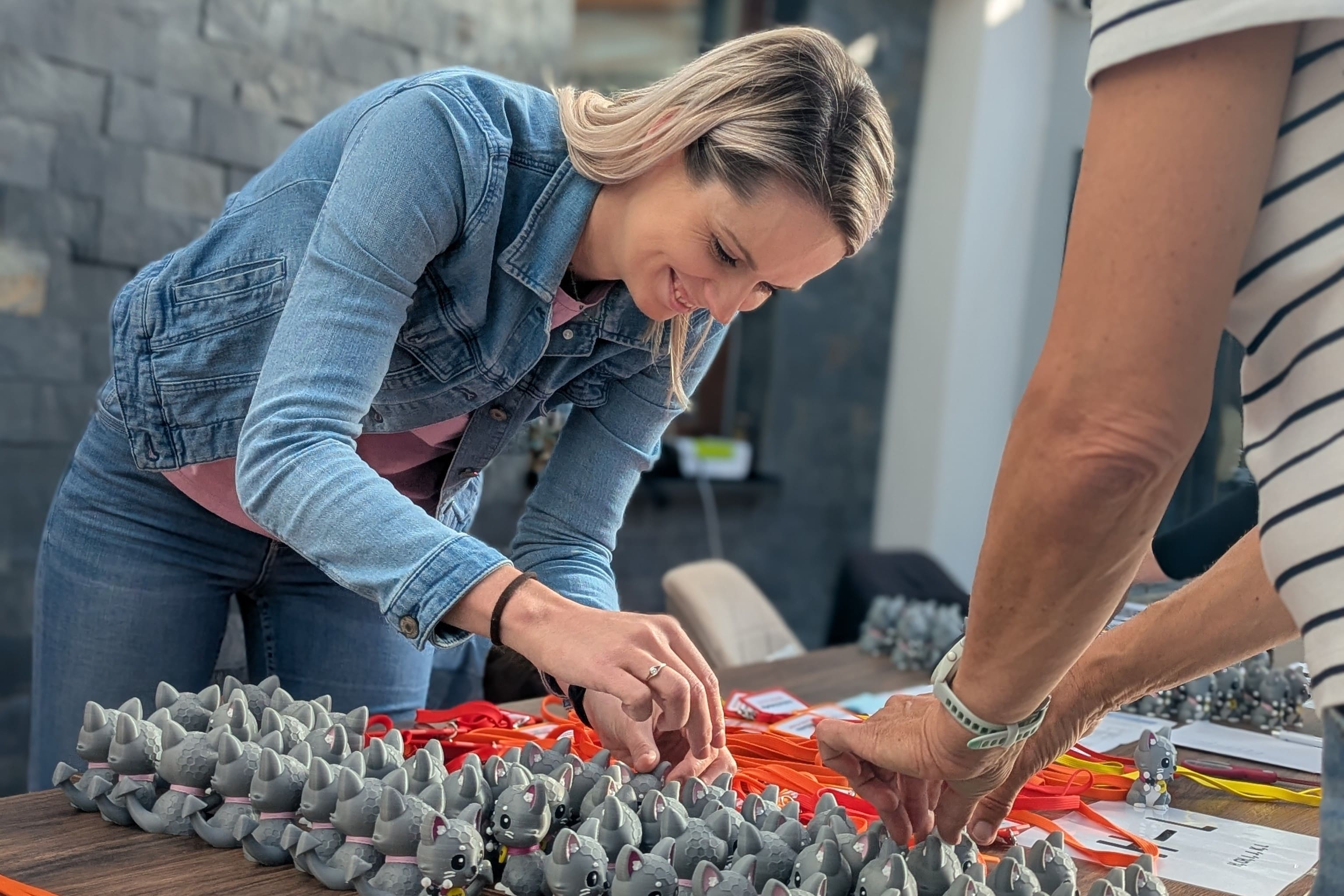
The conference was organized by the Catalysis professional group of the Czech Chemical Society, with the Institute of Environmental Technology (IET), CEET, participating in the on-site organization. Over the course of five days, the conference facilities were fully utilized for presentations focusing on the development and characterization of catalytic materials, the use of catalysis in environmental and energy applications, CO₂ utilization, the processing of renewable and waste raw materials, advanced methods for studying catalytic processes, and the deepening of cooperation.
International Reach and Keynote Lectures
For this year's edition, invitations were accepted by speakers not only from countries belonging to the Pannonian region; plenary speakers also arrived from Italy, Germany, and Spain. The programme was enriched by a plenary lecture from Gerhard Mestl of the German company Clariant AG, who focused on the perspectives and interconnection of academic and industrial research. He presented the conference participants with specific practical procedures in the development and scaling of catalysts for selective catalytic oxidation.
A prominent theme was also the search for new ways to utilize CO₂ and for more sustainable fuel production. In her lecture, Maria Mihet from the Romanian INCDTIM addressed the possibilities of catalytic CO₂ conversion using advanced catalysts based on MOF (Metal-Organic Frameworks) structures. Christoph Markowitsch from the Montanuniversität Leoben in Austria presented catalytic and process approaches to the production of sustainable aviation fuels (SAF) and the possibilities for their further development.
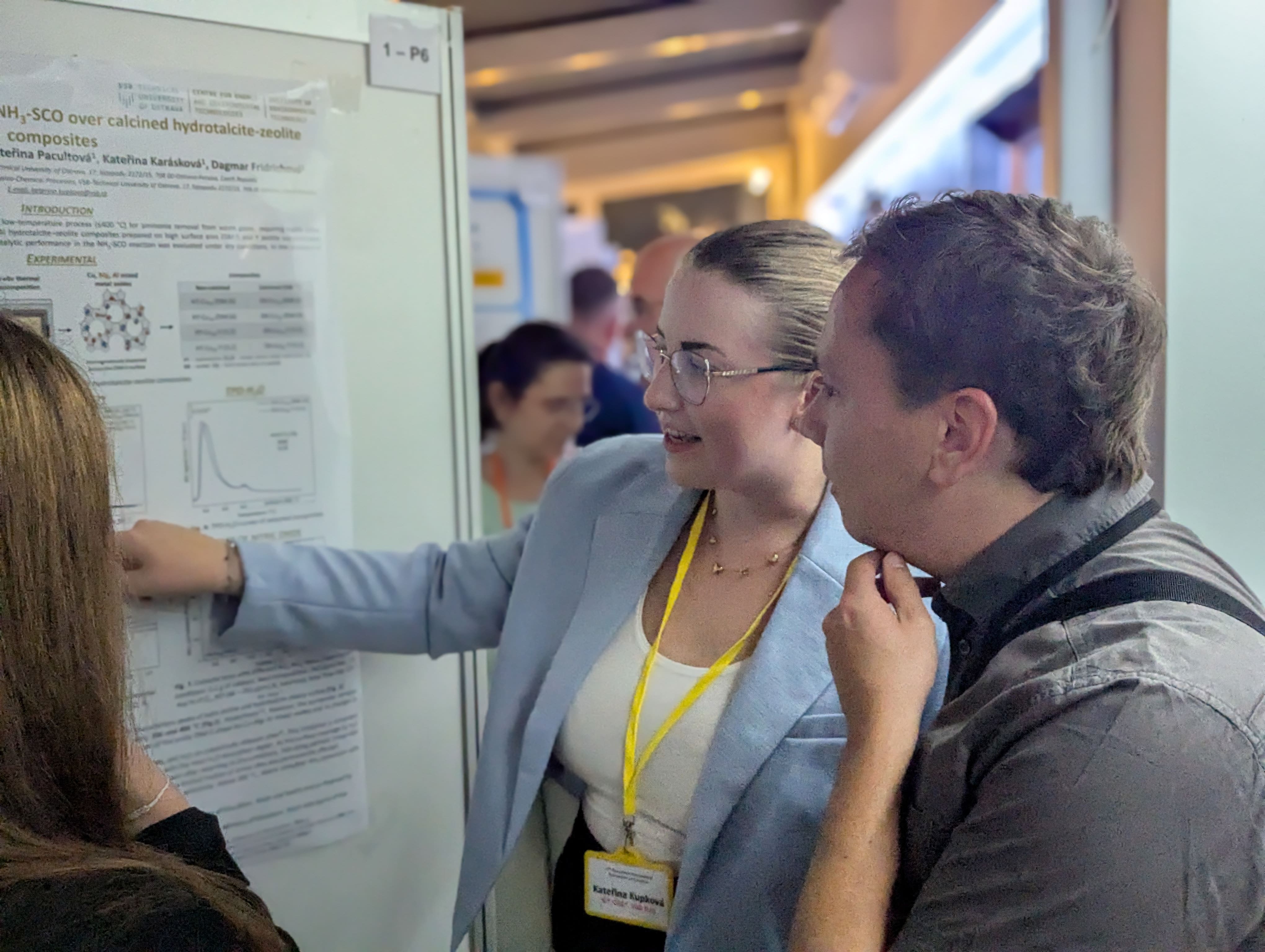
"I am delighted that we managed to prepare a programme that brought interesting professional topics, but at the same time provided a space for open discussion, networking, and new ideas for cooperation," added Lucie Obalová, Director of IET.
From Theoretical Research to Materials of the Future
The programme offered a number of specialized insights into applied research. Gabriela Grzybek from the Jagiellonian University in Poland focused on the development of innovative cobalt catalysts designed for the steam reforming of ethanol. The presentation by Silvia Bordiga from the University of Turin, Italy, was also highly inspiring. In her lecture, she presented the possibilities of advanced spectroscopic methods in the study of catalytic materials and processes, showing how these methods can contribute to a deeper understanding of the properties and behaviour of catalysts.
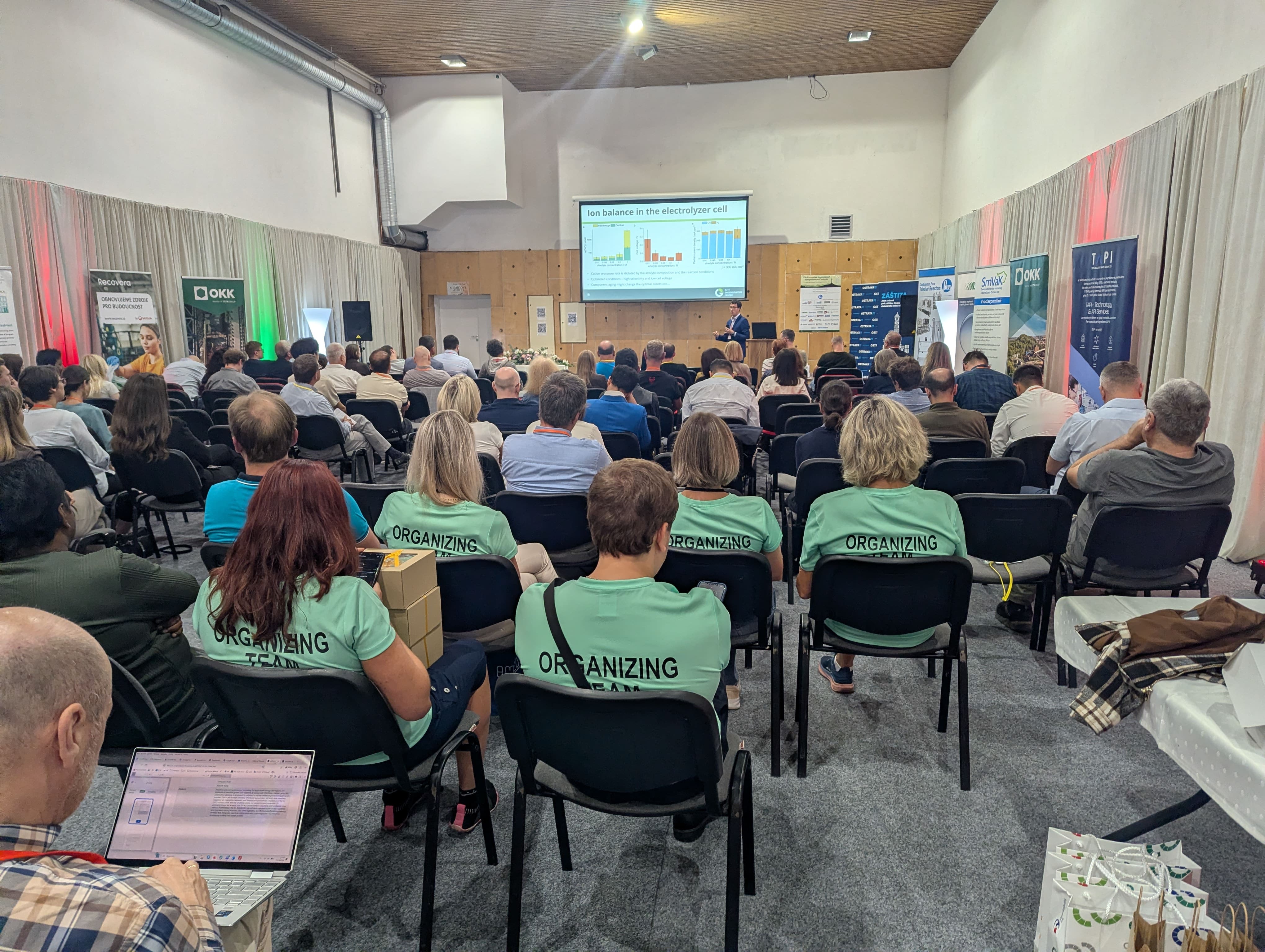
The organizers placed great emphasis not only on the high scientific level of the programme, enabling the connection of researchers with practitioners, but also on a friendly environment and shared experiences. Therefore, alongside the lectures and the poster session, there was a rich social programme, including a trip to Dolní Vítkovice in Ostrava or to Praděd, as well as shared evenings with karaoke, a charity raffle, and dancing.
"I am very pleased that we managed to create an environment where young scientists, leading experts, and industry representatives could naturally meet," concluded Kamila Kočí, looking back at the conference.