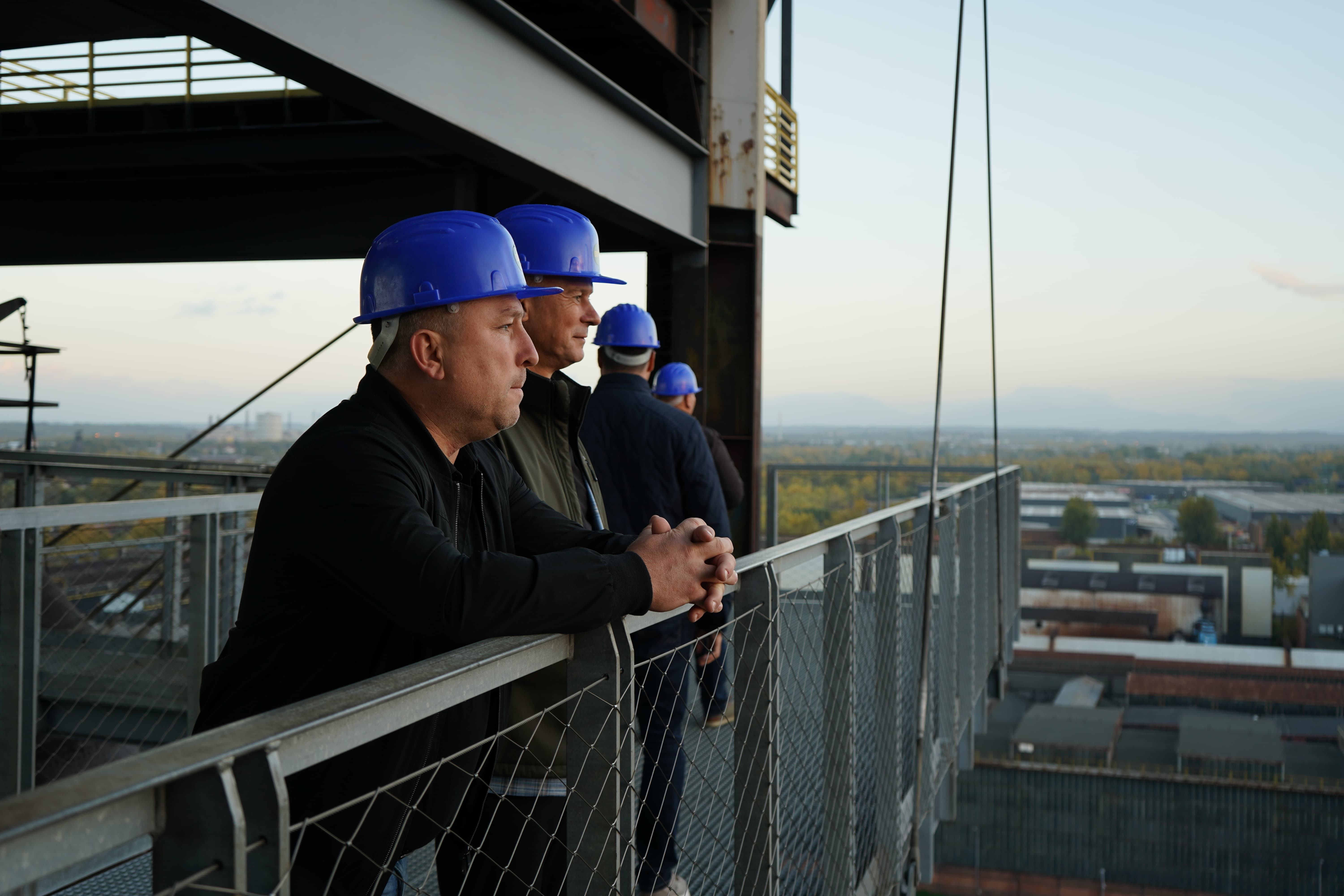
The main programme was opened by Igor Ivan, Rector of VSB – Technical University of Ostrava (VSB-TUO), and Stanislav Mišák, Principal Investigator of the NCE II project. The research activities presented covered the development of low-emission technologies and safer lithium-ion batteries, the modernisation of electricity distribution networks, energy storage, energy resource flexibility, and new approaches to energy recovery from waste.
“Energy is one of the key areas of research and development on which our university has long focused. We recently held the groundbreaking ceremony for the CEETe H2 hydrogen testing facility, which will further strengthen VSB-TUO’s position as a truly unique centre for the development of hydrogen technologies. I am very pleased that representatives from research institutions and industrial companies across the Czech Republic have come together here in Ostrava. This clearly demonstrates that our university is not only the lead institution of the National Centre for Energy II, but also a natural and strong centre of excellence in modern energy research,” said Igor Ivan, Rector of VSB-TUO.
Research Responds to Industry Needs
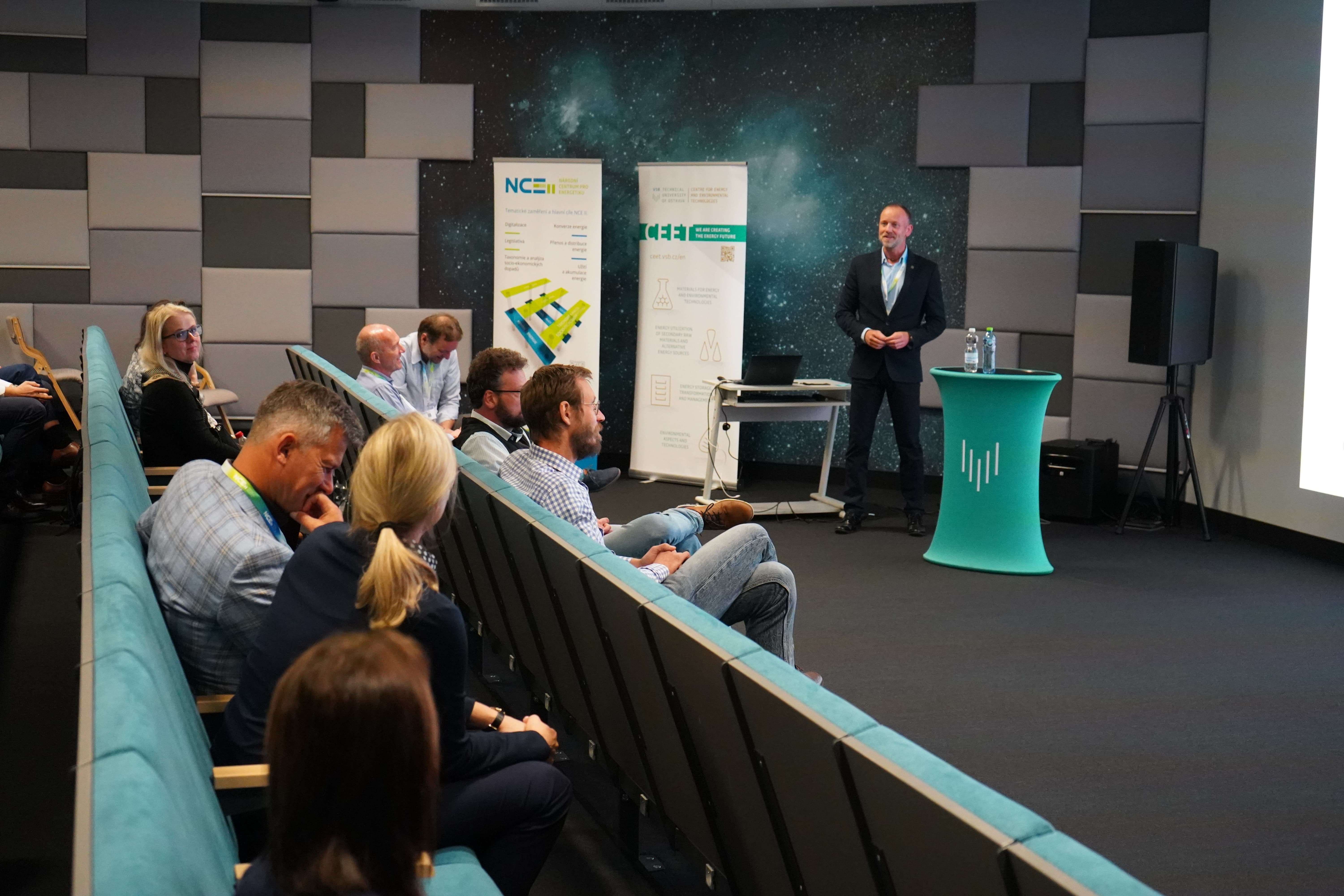
The workshop also included meetings with industrial partners, during which project teams discussed progress to date, technical challenges, and opportunities to test emerging technologies under real operating conditions. These discussions helped align research findings with the practical experience and requirements of energy companies.
“We conduct research for people, and we want to ensure that its results are put to the best possible use in practice. I am very pleased that the workshop highlighted the tangible progress made by our teams, as well as the shared commitment of our industrial partners to bringing sustainable energy technologies closer to real-world applications. For me, one of the greatest benefits of this meeting is the open discussion about industry needs, operational experience, and the next steps. It helps us focus our research on solutions that can contribute to a more efficient and reliable energy sector while strengthening the competitiveness of Czech industry. I would like to thank all our colleagues and partners for their joint efforts, and the Technology Agency of the Czech Republic for its support, which enables us to develop this long-term cooperation,” said Stanislav Mišák, Principal Investigator of the project and Director of CEET.
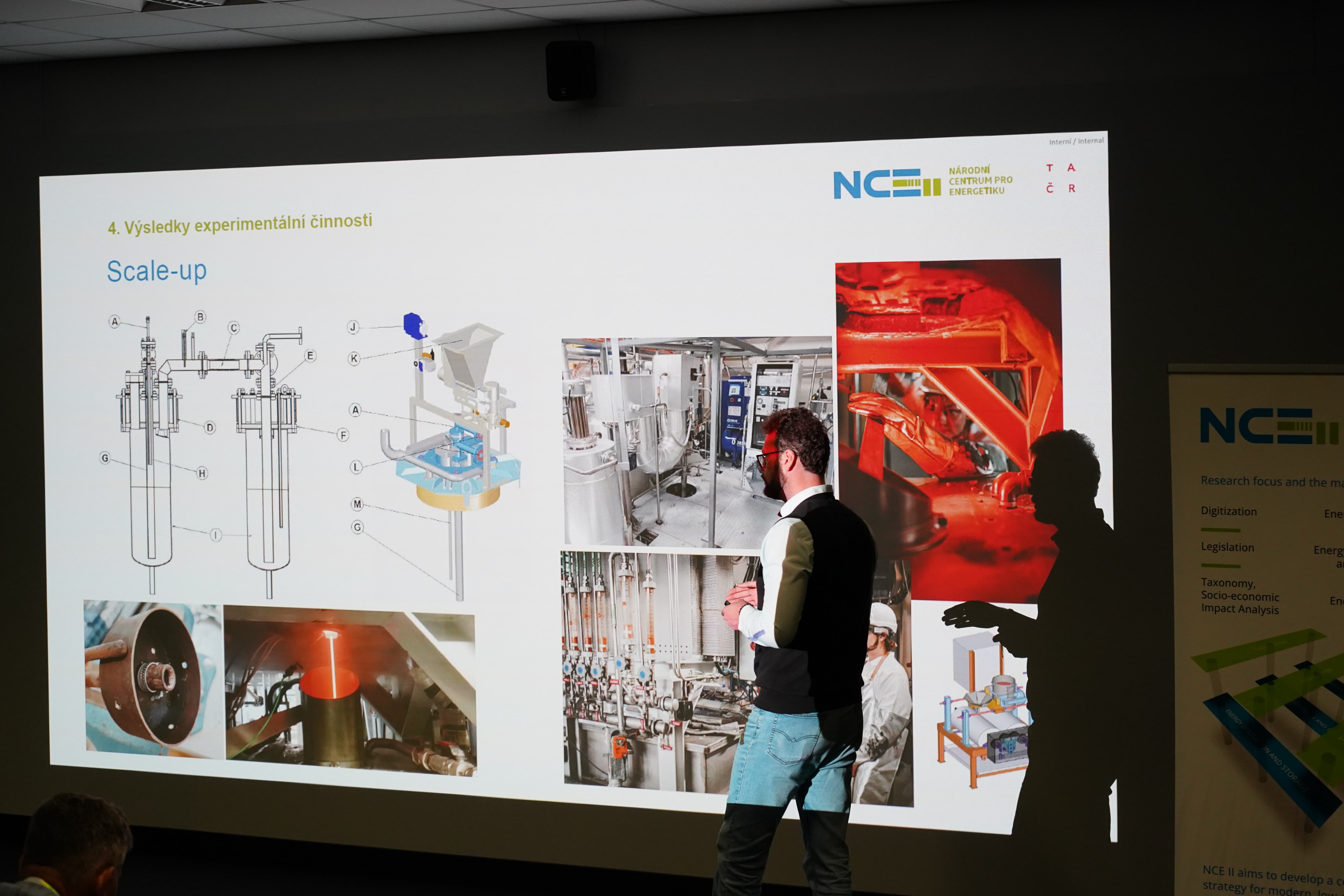
Researchers themselves also value the opportunity to exchange experiences with experts from different institutions. The workshop gave them a chance to present their work and receive feedback on its potential practical applications.
“I believe events like this are important because they help bridge the gap between industry and science. They also give us an opportunity to showcase our research and demonstrate to the wider public the tangible benefits that science brings to society. Personally, what I find most rewarding about applied research is its ability to address real-world problems and to see the results actually being put into practice,” said Ekaterina Korotenko from the Institute of Chemical Process Fundamentals of the Czech Academy of Sciences.
Energy Networks Face Technological Transformation
The future of electricity transmission and distribution systems was another important topic of discussion. As the share of decentralised energy sources grows and electricity consumption patterns change, the demands placed on grid management are increasing. Research is therefore also focusing on technologies that will enable better coordination of individual grid components and more effective responses to changing operating conditions.
“I always enjoy attending NCE project meetings because they regularly bring together leading figures from the Czech energy sector. In my view, two of the most significant topics currently shaping the future of energy networks are power electronics and artificial intelligence. These are genuine game changers that will fundamentally influence the future of the energy sector, and it is encouraging to see that we are among Europe's leaders in these fields,” said Zdeněk Peroutka, Expert Coordinator of the Energy Transmission and Distribution Application Segment.
Research Results Are Gaining Broader Significance
Alongside the technical presentations, the workshop also provided an opportunity to assess the overall progress of NCE II. Particular attention was paid to the technological readiness of the solutions under development, the links between individual projects, and the methods used to evaluate their economic and societal impacts.
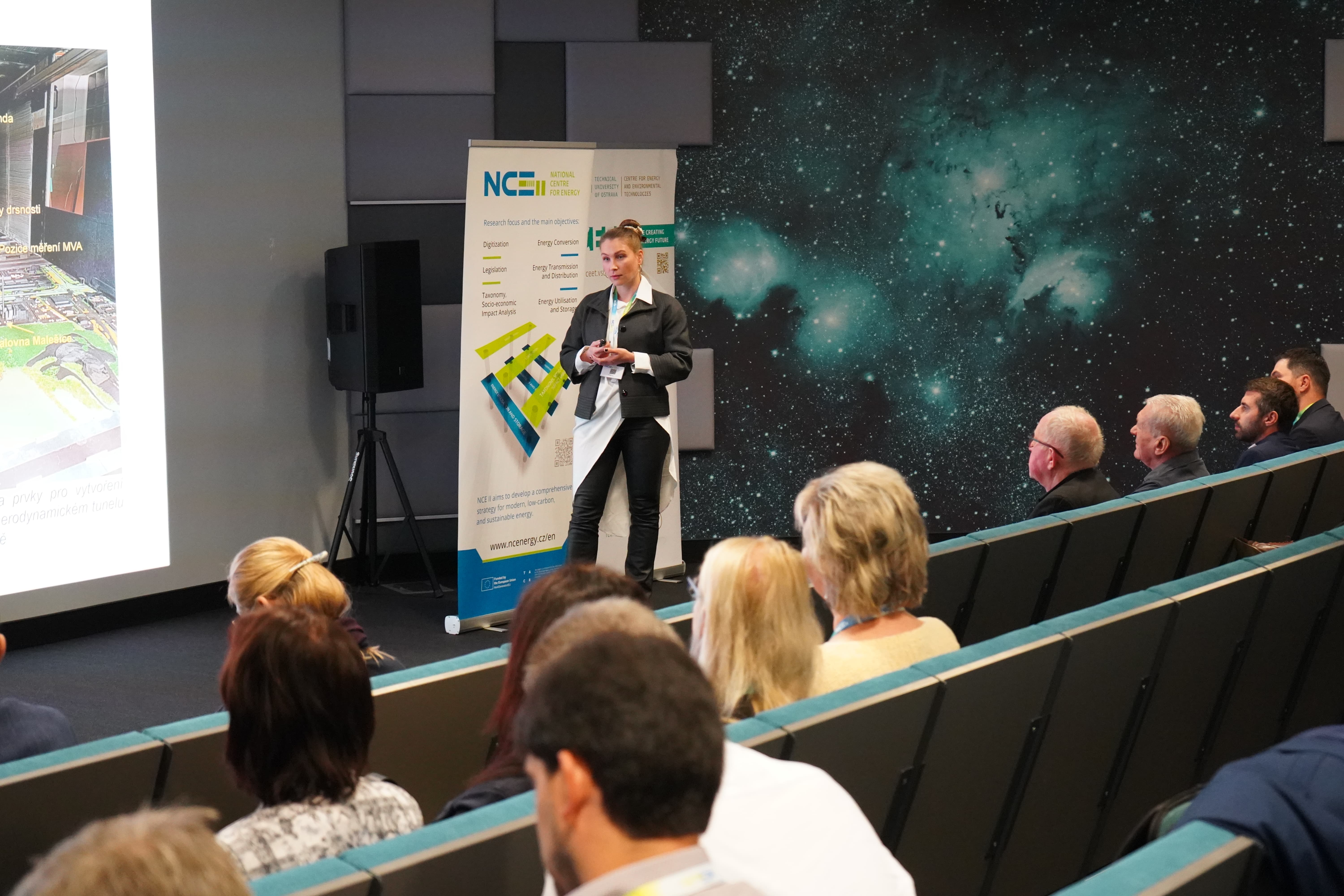
“For me, the most important thing is that the National Centre of Competence is delivering tangible results. After several years, we can now see how these results complement one another and collectively create better conditions for the development of the energy sector in the Czech Republic. These are not isolated, standalone projects with no clear direction. As Stanislav Mišák demonstrated, the individual projects are progressing through successive technology readiness levels towards practical application. Most have already reached level four or five, meaning they are approaching implementation or are already being tested in practical settings. Another important aspect is how the projects and their results are presented, including their socioeconomic impacts. This demonstrates that we are not developing technical solutions simply for their own sake. Instead, we are responding to specific needs, whether these arise from legislation, industry requirements, or our own understanding of what matters for the future. Zdeněk Peroutka also addressed this extensively in his presentation. The National Centre of Competence therefore demonstrates the value of bringing individual projects together into a larger, integrated whole, and why this approach should continue. Cooperation creates synergies between the activities of different research teams while also building a coherent framework that energy companies and society as a whole can rely on. Moreover, the results can provide valuable evidence to support government decision-making on the future direction of the energy sector,” said Rut Bízková, NCE II's Acting Consultant and a representative of the Technology Agency of the Czech Republic.