How can valuable raw materials be recovered from spent batteries, and how can polymers be brought back into circulation? These were the exact questions addressed at the public outreach event Circularity of Materials for Electrical Energy Storage, organised by colleagues from the CEET Nanotechnology Centre as part of the Week of the Czech Academy of Sciences. A series of three lectures introduced participants to current research and technologies that could contribute to more sustainable energy systems and more responsible use of natural resources.
The programme was opened by Karla Čech Barabaszová, who presented options for the separation, recycling, and reuse of polymeric materials in technical applications.
“Research into polymer composites and their recycling opens new opportunities not only in the energy sector, but also in the automotive industry and medicine. It is therefore essential to train a new generation of specialists who understand the properties of materials, their processing technologies, and the possibilities for their reuse," emphasised Karla Čech Barabaszová.
She was followed by Gražyna Simha Martynková, Director of the CEET Nanotechnology Centre, who delivered a lecture on the circularity of critical raw materials for the energy sector. Her presentation focused on the importance of strategic materials for modern technologies and the opportunities for recovering and reintroducing them into manufacturing processes.
The third topic was presented by Basudev Swain from the Faculty of Materials Science and Technology at VSB – Technical University of Ostrava, who introduced participants to the recycling of active cathode materials from batteries using hydrometallurgical processes. These methods enable the recovery of strategic metals from spent batteries, which can subsequently be used to produce new, higher-value materials.
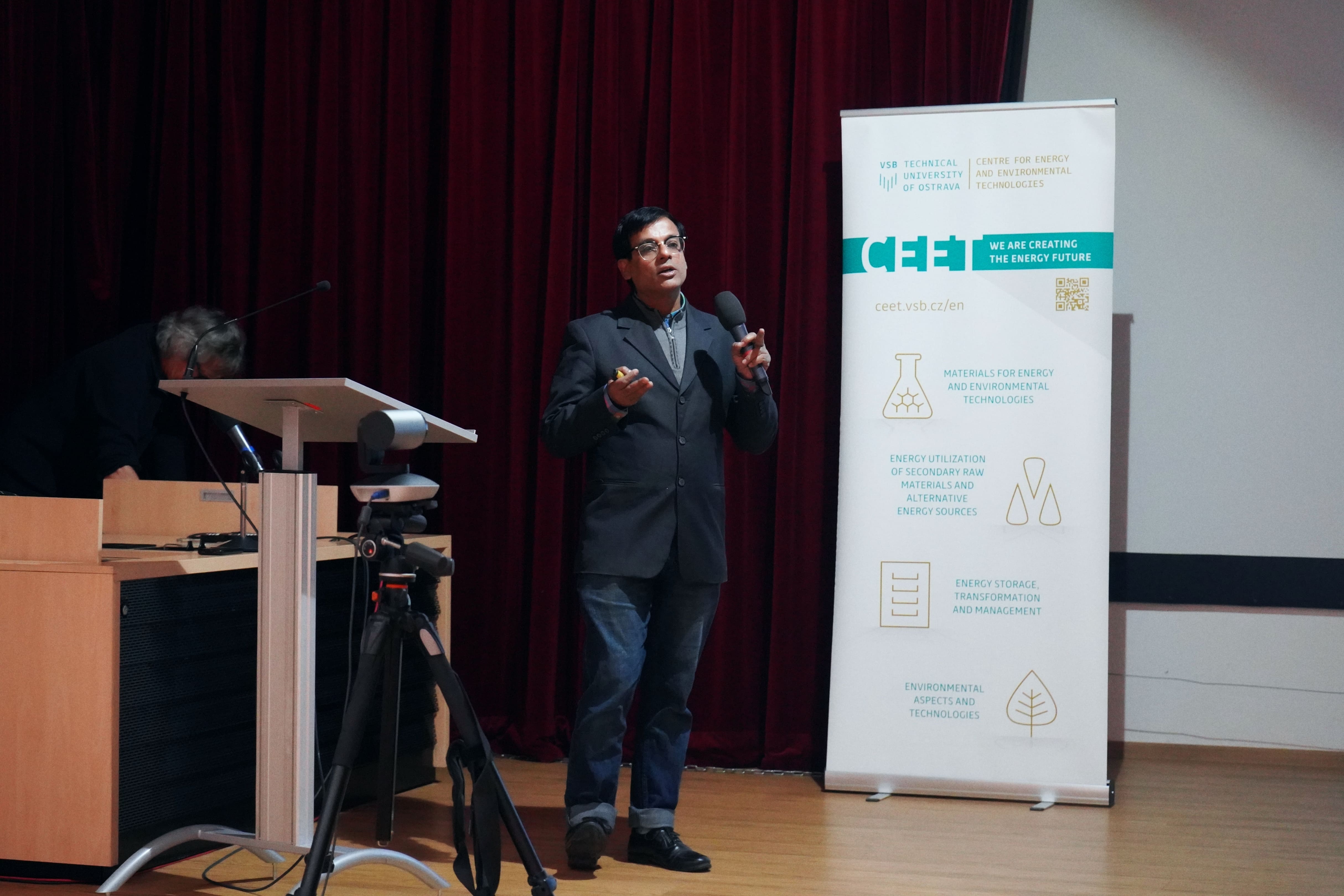 "We should not view spent batteries as waste, but as a valuable source of critical metals. Using hydrometallurgical and pyrometallurgical processes, these metals can be recovered in a sustainable and environmentally friendly way. That the recycling of lithium-ion batteries is technically feasible even on an industrial scale is demonstrated, for example, by the Belgian company Umicore," explained Basudev Swain.
The concluding discussion, which brought together experts and members of the public, addressed both the technological possibilities of recycling and its practical applications. One of the main topics was the importance of interdisciplinary collaboration in processing complex material systems.
“Lithium-ion batteries are so complex that recycling them requires collaboration between specialists from different disciplines. It is not just about recovering valuable metals, but also other components, such as polymers, which can be used as secondary raw materials,” explained Grażyna Simha Martynková. According to her, when developing recycling procedures, it is also necessary to take economic and environmental contexts into account: “We need to look at recycling from different perspectives. Our main goal should be to ensure that we do not leave hazardous materials and waste behind for future generations,” she added.
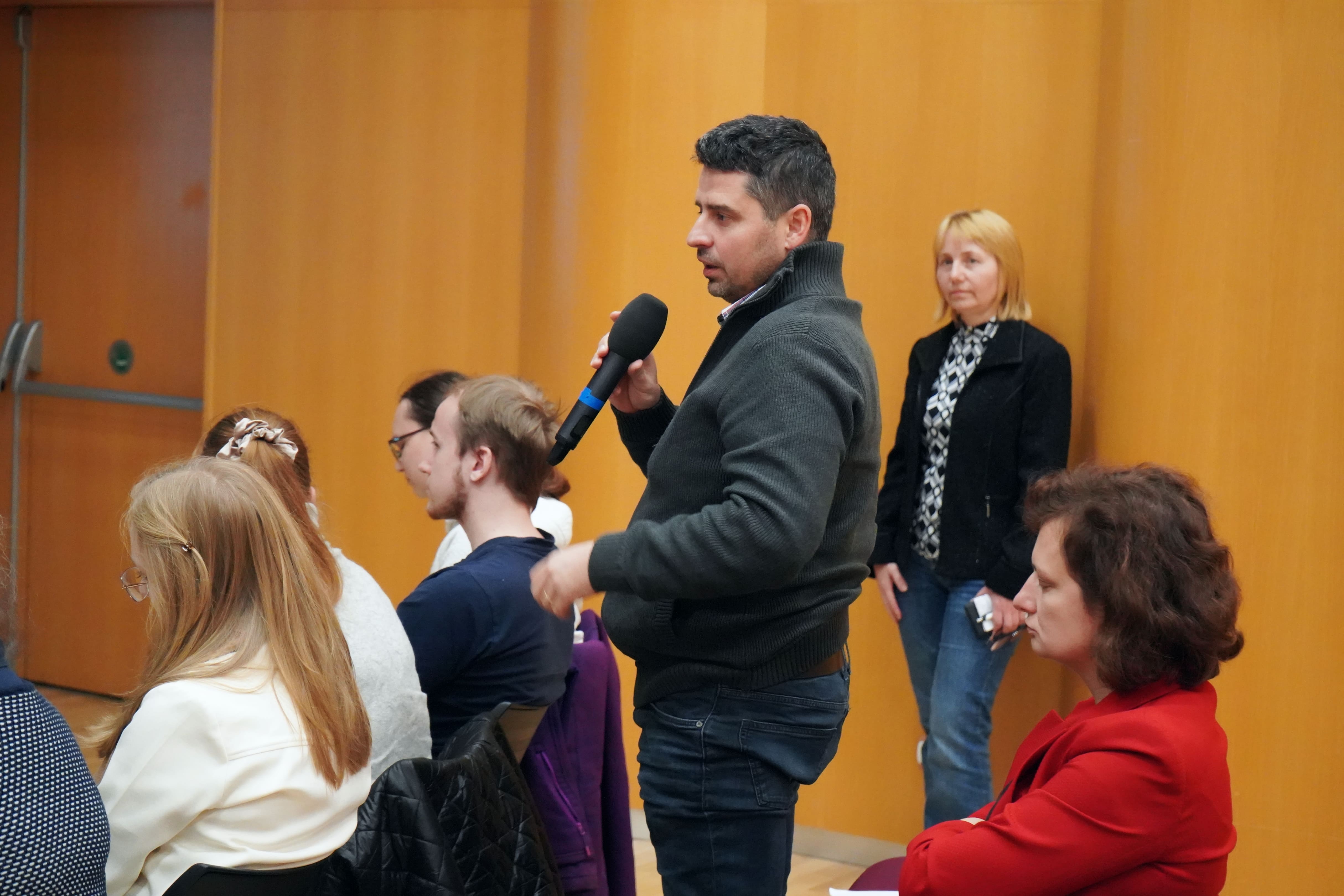 The meeting offered an insight into the entire life cycle of materials, from their development and use through to recycling options. It also demonstrated how advances in materials research can contribute to practical solutions for industry and environmental protection.
The event and related research are supported by the projects Advanced Materials for Energy and Environmental Technologies (MEET), Research Excellence For Region Sustainability and High-tech Industries (REFRESH), and CirkArena.